
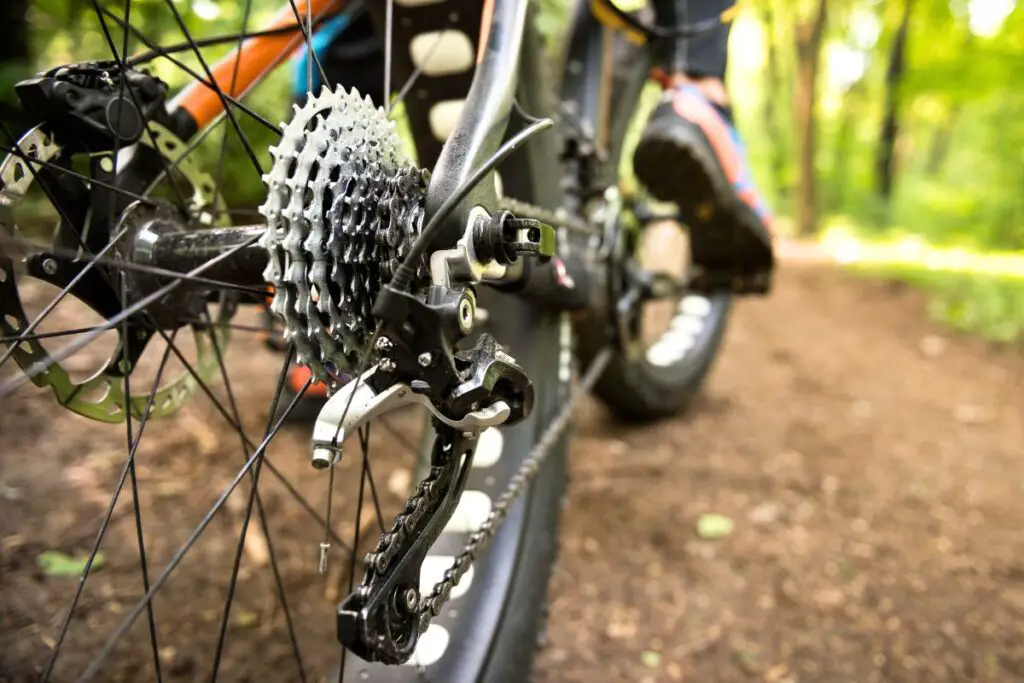
Choosing between cassette and freewheel for your e-bike conversion kit affects everything from your budget to how often you’ll deal with drivetrain failures. Budget conversion kits default to freewheels because they’re cheaper, but cassettes offer better gear range and easier maintenance. The tradeoff is cassette motors measure 5-15mm wider than freewheel versions, potentially requiring frame modifications or buying a completely different motor. Most riders pick based on price without checking compatibility, then discover their frame won’t fit the motor they ordered. Here’s what actually matters for e-bikes, where motor torque stresses components far beyond what human pedaling produces.
The Core Difference: Where the Ratchet Lives
Both systems let you coast without pedaling, but they achieve this through completely different mechanical designs. This affects durability, maintenance, and what happens when something breaks.

| Component | Freewheel | Cassette |
|---|---|---|
| Ratchet location | Inside freewheel body (all-in-one) | Inside freehub (separate from cogs) |
| Attachment method | Threads onto hub (1.37″ x 24 TPI) | Slides onto freehub splines |
| Secured by | Self-tightening threads | Threaded lockring |
| When cogs wear out | Replace entire unit (cogs + mechanism) | Replace cogs only, keep freehub |
| Bearing location | Inside freewheel (not serviceable) | In freehub (can be serviced) |
| Axle support | Bearings closer together (weaker) | Bearings spread wider (stronger) |
Freewheel: All-in-One Unit
A freewheel combines the cogs (gears) and ratcheting mechanism into a single unit that threads directly onto the hub. Turn the threads counterclockwise to remove the entire assembly.
How It Works
- The hub has threads machined into it (typically 1.37″ x 24 TPI)
- The freewheel body contains pawls and springs that engage when pedaling forward
- When coasting, the pawls disengage and click as the wheel freewheels
- Every pedal stroke tightens the freewheel onto the threads
Cassette: Separated Components
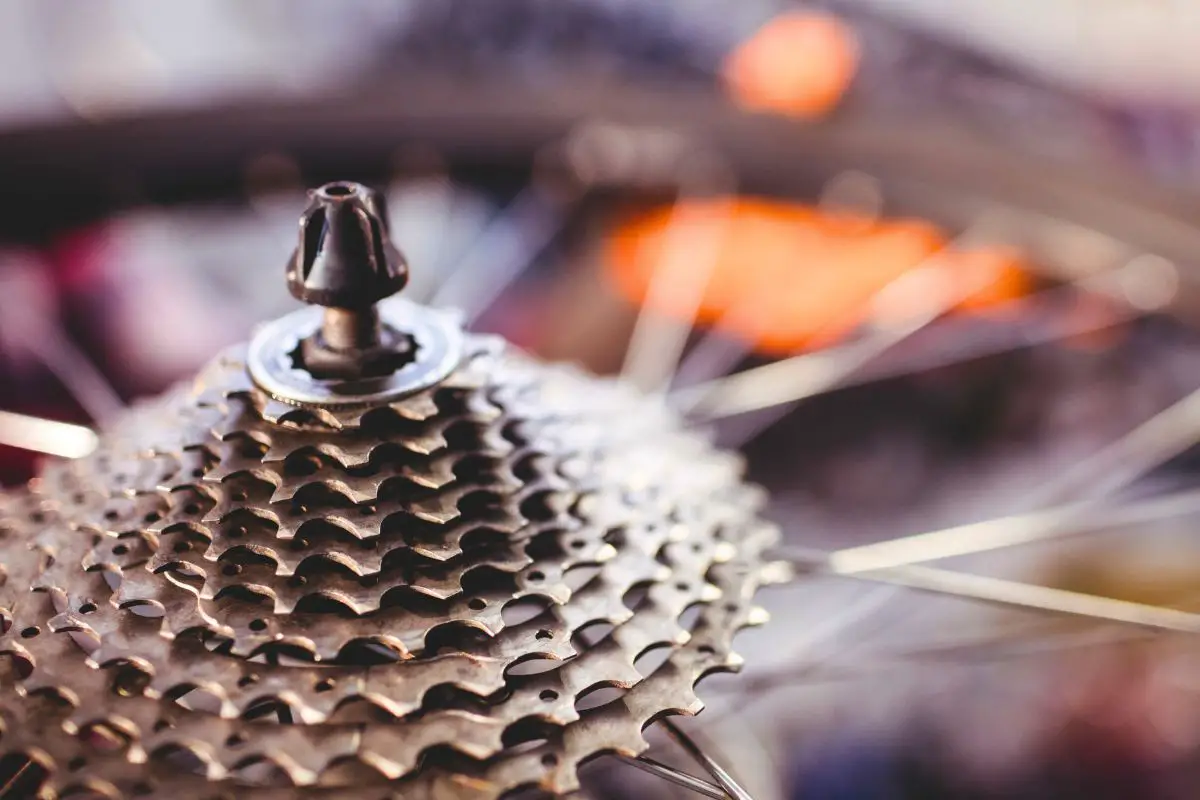
A cassette separates the cogs from the ratcheting mechanism. The cogs slide onto a splined freehub body (which contains the pawls), held in place by a lockring.
How It Works
- The freehub body (with internal pawls) attaches permanently to the hub
- Cassette cogs slide onto external splines on the freehub
- A threaded lockring compresses the cassette stack and holds it in place
- Removal requires loosening just one lockring, much simpler than freewheels

Yose Power Rear Hub Motor (Freewheel)

Ebikeling & Season Rear Hub Motor (Freewheel)
Speed Count & Gear Range: What You Actually Get
The number of gears affects your ability to climb hills, achieve top speed, and find comfortable cadence. E-bikes reduce the need for many gears, but the range still matters.
| Feature | Freewheel | Cassette |
|---|---|---|
| Speed count | 1-7 speeds (8-9 exist but rare) | 7-12 speeds (some 13-speed) |
| Smallest cog | 14T minimum (DNP makes 11T but quality issues) | 11T standard (10T or 9T on XD/Microspline) |
| Largest cog | 28T-34T typical (Megarange 40T) | 34T-52T available |
| Gear range | ~240% (14-34T) | ~470% (11-52T) |
| Gear spacing | Larger jumps between gears | Smaller, smoother transitions |
E-Bike Reality Check
When More Gears Matter
- Pedal-assist systems: PAS relies on your pedaling, so proper cadence matters more
- Hilly terrain: Even with motor assist, steep climbs benefit from low gearing
- High top speed: 11T smallest cog lets you pedal at 28+ mph without spinning out
- Motor failure backup: Wide range lets you ride home unpowered if the motor dies
- Battery range extension: Efficient pedaling in the right gear conserves battery
Durability Under Motor Torque: What Actually Breaks
E-bike motors produce 40-80 Nm of torque continuously, far exceeding human pedaling. This changes which components fail and how often.
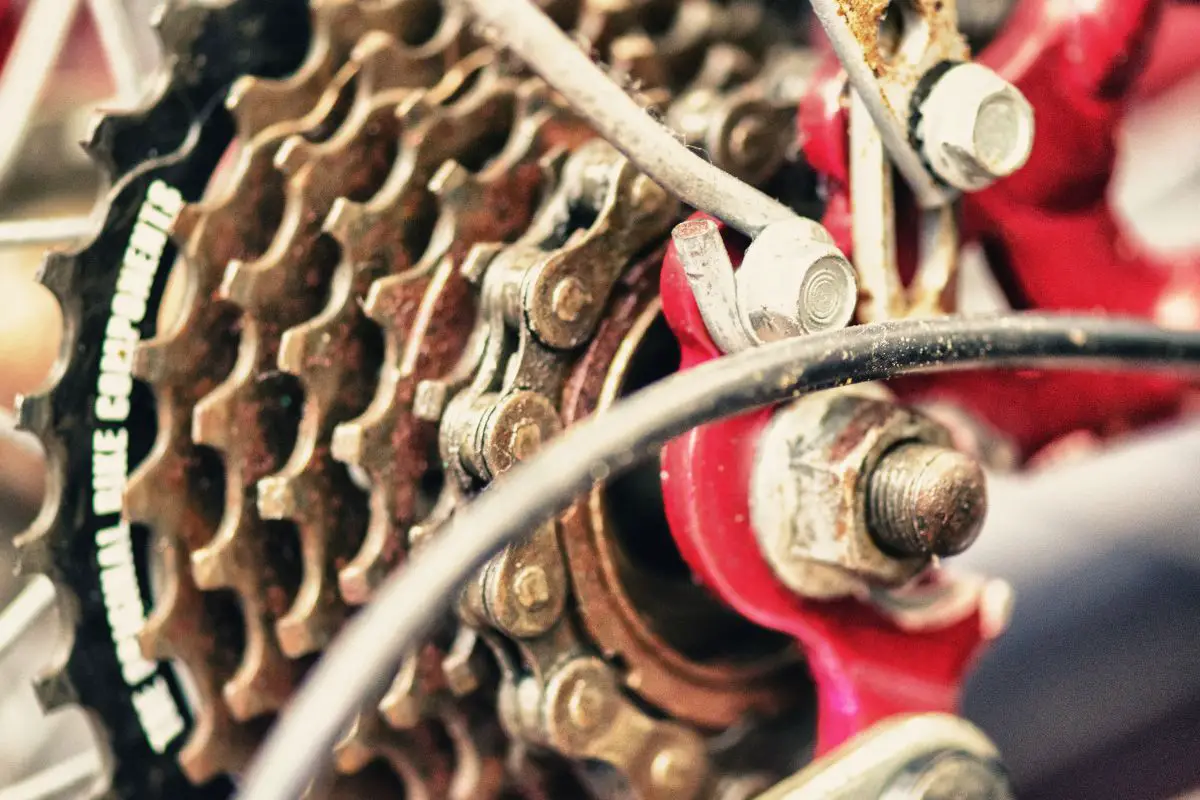
Freewheel Failure Modes
Common Problems
- Pawl wear: The internal pawls experience constant loading under motor power. Budget freewheels fail in 500-1000 miles on high-torque e-bikes
- Bearing failure: Freewheels have small internal bearings that wear quickly. When they fail, the entire freewheel needs replacement
- Cog wear: Once cogs wear, you must replace the entire freewheel including the internal mechanism
- Wobble: Many freewheels develop side-to-side wobble under e-bike torque, stressing the chain
- Thread stripping: Aluminum hubs can strip threads if the freewheel loosens during riding
Cassette Failure Modes
What Wears Out
- Individual cogs: Usually only the most-used 2-3 cogs wear significantly. Replace those cogs, keep the rest
- Freehub pawls: Budget freehub bodies have plastic pawls that fail under e-bike torque. Quality freehubs use steel pawls that last much longer
- Spline wear: Aluminum cassettes can dig into aluminum freehub splines under motor torque, making removal difficult
- Lockring loosening: Under-torqued lockrings can loosen from motor vibration, requiring periodic retightening
Mid-Drive vs Hub Motor Considerations
Conversion Kit Compatibility: The Spacing Problem
Hub motor width (OLN – Over Locknut Distance) varies significantly between freewheel and cassette versions. This is the most common source of conversion kit failures.
| Motor Type | Freewheel Version | Cassette Version | Difference |
|---|---|---|---|
| Bafang 250-500W | 135mm | 135mm | Same width |
| Bafang 750W | 175mm | 190mm | +15mm (frame spreading required) |
| Q100/Mini motors | 135mm | 140-145mm | +5-10mm |
| Fat bike motors | 175mm | 190mm | +15mm |
Frame Compatibility Rules
Safe Installation
- Exact match: Motor OLN matches frame spacing exactly. No issues.
- 0-3mm difference: Minor spring tension. Usually OK but dropouts may not be perfectly parallel.
- 3-5mm difference: Noticeable frame flex. Acceptable on steel frames with careful installation.
Dangerous Territory
- 5-10mm difference: Requires professional cold-setting on steel frames. Never attempt on aluminum or carbon.
- 10mm+ difference: Don’t do it. Steel frames can handle it but dropouts won’t align properly. Aluminum and carbon frames will crack.
Cost Analysis: Initial vs Long-Term
Freewheels look cheaper initially but the calculation changes when you factor in replacement frequency and maintenance costs over several years.
| Cost Factor | Freewheel | Cassette |
|---|---|---|
| Initial motor cost | $200-400 | $200-400 (usually same price) |
| Cog replacement | $25-45 (complete unit) | $40-120 (complete) or $10-20 (single cogs) |
| Replacement frequency | Every 1000-2000 miles | Every 2000-4000 miles (individual cogs sooner) |
| Special tools | $8-15 (freewheel removal tool) | $15-30 (lockring tool + chain whip) |
| Maintenance ease | Difficult (self-tightening) | Easy (single lockring) |
| 10,000 mile total | $175-270 (5-7 replacements) | $80-150 (partial cog replacements) |
Budget Consideration: If you’re building a budget e-bike for occasional use (under 500 miles/year), freewheel makes sense. For daily commuting or frequent riding (1000+ miles/year), cassette pays for itself within 2-3 years through lower maintenance costs.
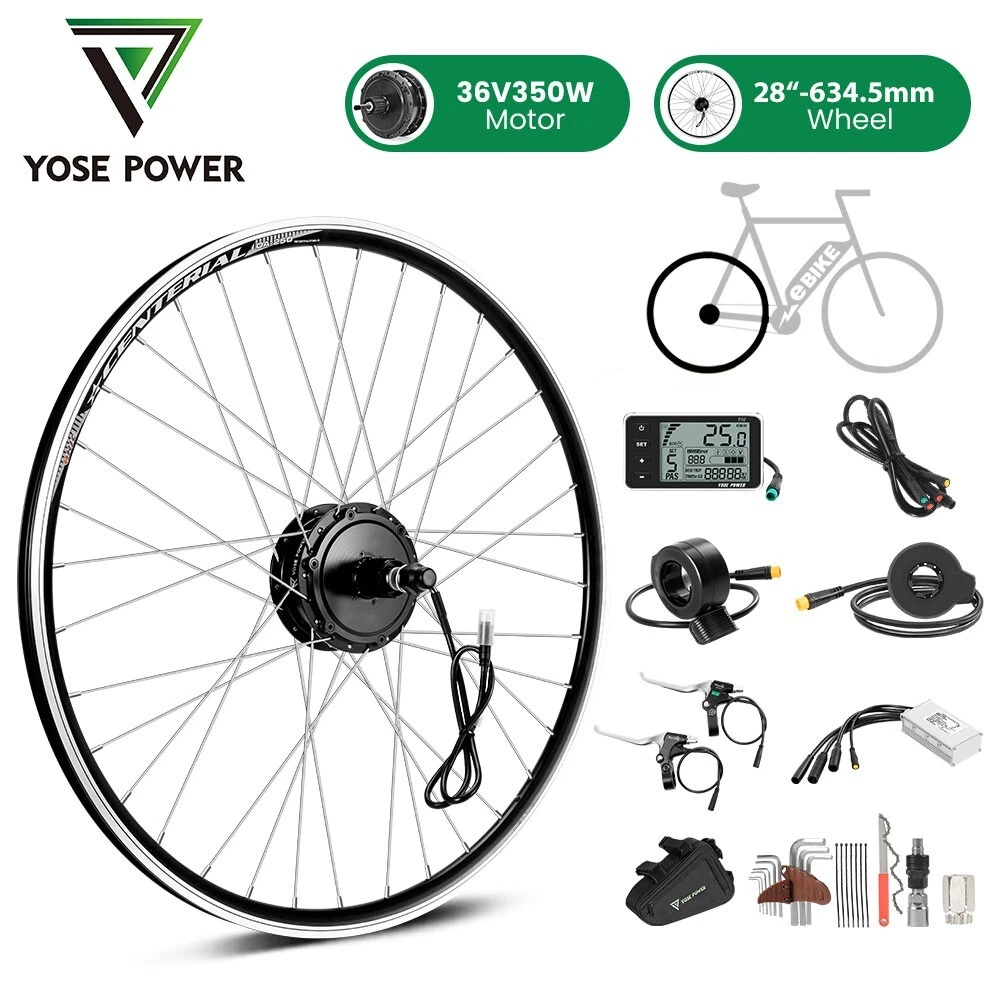
Yose Power Rear Hub Motor (Cassette)
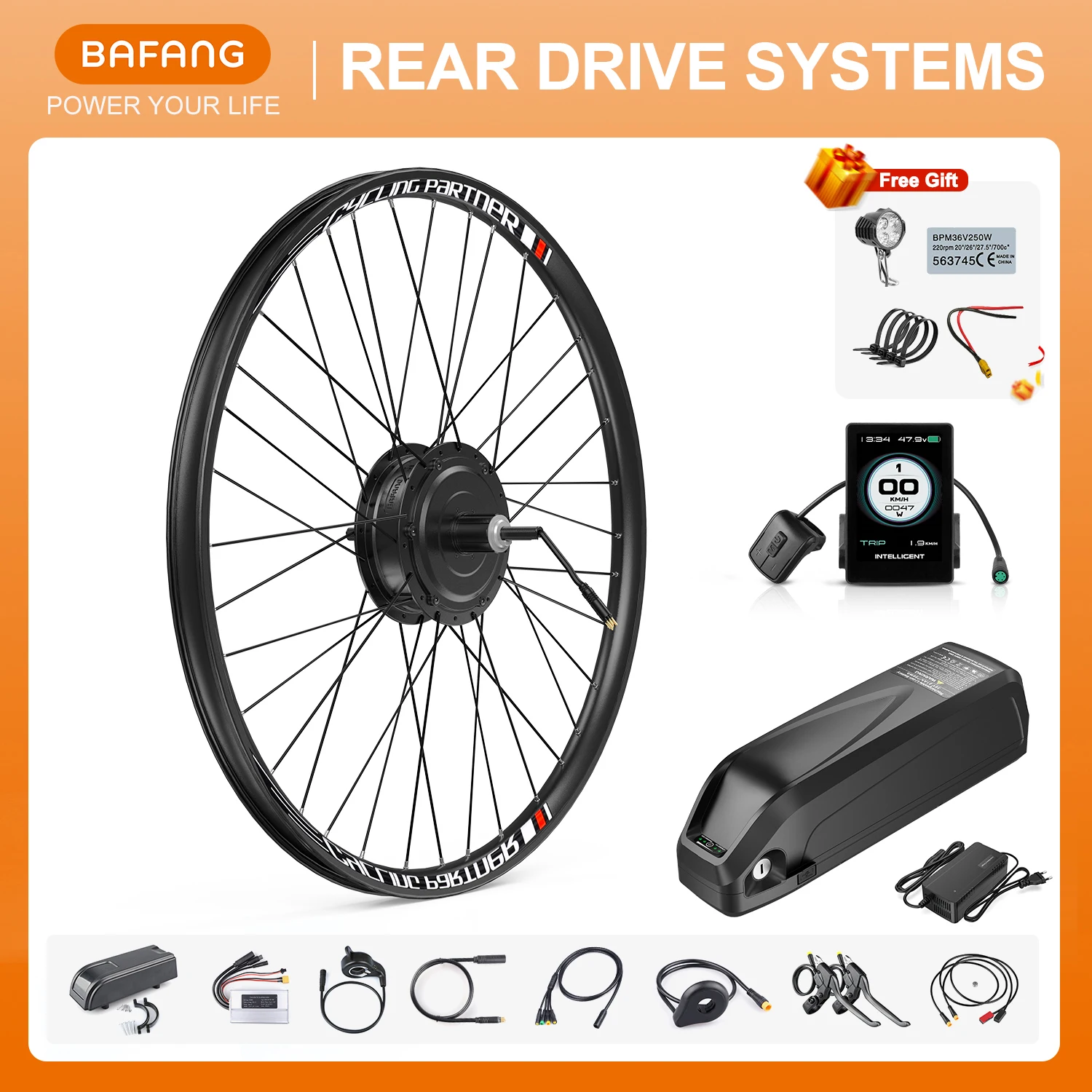
Bafang Rear Hub Motor (Cassette)
Maintenance Reality: What You’ll Actually Do

Theoretical maintenance schedules mean nothing if you can’t actually perform the work. Here’s what maintaining each system involves in practice.
Freewheel Maintenance
Removal Challenges
- Requires significant torque to break free (especially on old installations)
- Hub motor cables complicate removal (must disconnect motor first)
- Risk of stripping tool interface if not perfectly aligned
- May need overnight soak with penetrating oil
- Some old freewheels require destructive removal
Installation Process
- Thread on by hand (critical to avoid cross-threading)
- Final tightening happens automatically while riding
- Apply grease to prevent seizing (often forgotten, causing future problems)
- No torque spec needed, just hand-tight plus a bit
Cassette Maintenance
Removal Process
- Hold cassette with chain whip
- Insert lockring tool and turn counterclockwise
- Entire cassette slides off freehub splines
- Takes 2 minutes once you know how
- No risk of stripping threads or getting stuck
Installation Process
- Clean and grease freehub splines
- Slide cassette on (only fits one way)
- Thread lockring by hand first
- Torque to 40 Nm with lockring tool
- Check for play, retighten if needed

Shimano Freewheel TOURNEY TZ MF-TZ500-7
7-speed freewheel featuring Hyperglide for smooth shifting and wide-range gearing (14-34T) for optimal performance.
Shop Aliexpress
Shop Amazon

Shimano HG51 8-Speed Cassette
Upgrade your e-MTB with the Shimano CS-HG51 8-speed cassette, ensuring effortless gear changes on any terrain.
Shop Aliexpress
Shop Amazon
Picking the Right System for Your E-Bike Build
Your choice depends on motor type, riding style, budget, and how much maintenance you’re willing to do. Neither system is universally better.
Choose Freewheel
- Budget build: You need the lowest upfront cost and plan to upgrade later
- Low mileage: Riding under 500 miles per year means you’ll replace the freewheel rarely
- Hub motor throttle use: High-power hub motor where you rarely pedal doesn’t stress the freewheel much
- 7 speeds adequate: Your terrain doesn’t require wider gear range
- Frame spacing matches: Your frame is 135mm and freewheel motors fit perfectly
- Simplicity preference: One unit to buy, thread on, and forget until it wears out
- Parts availability: You’re in areas where cassette parts are harder to source
Choose Cassette
- Daily commuter: High mileage (1000+ miles/year) where lower long-term costs matter
- Mid-drive motor: Absolutely required for durability under mid-drive torque
- Pedal assist primary: PAS systems benefit from wider gear range and smoother shifting
- Hilly terrain: Need low gearing (42T+ largest cog) for steep climbs
- High top speed: Want to pedal efficiently at 25+ mph with 11T smallest cog
- Easy maintenance: Value quick cog replacement without struggling with seized threads
- 8+ speeds needed: Your riding requires more granular gear selection
- Long-term ownership: Planning to keep the e-bike 5+ years
Special Case: Single-Speed Conversions
Many high-power e-bikes (1000W+) use single-speed freewheels because the motor provides all the torque needed. Benefits include:
- Maximum simplicity – no shifters, derailleurs, or cable adjustments
- Higher reliability – single-speed freewheels handle e-bike torque better than multi-speed
- Lower cost – $15 for a quality single-speed freewheel
- Lighter weight – eliminates derailleur and extra cogs
- Perfect for throttle-only riding where you rarely pedal
Downside: You can’t ride home if the motor fails, and you’re stuck with one fixed gear ratio.
The Practical Recommendation
Most conversion kit buyers should match their system to their current drivetrain unless they have a specific reason to change. Converting between systems requires new wheels or motors, making it expensive.
The biggest mistake is forcing a cassette motor into a freewheel frame (or vice versa) without checking spacing. Measure your frame dropout width, verify motor OLN, and buy the system that actually fits.


