

Mid-drive motors dominate premium e-bikes for good reasons, but choosing wrong wastes money and delivers disappointing performance. After testing multiple Bafang mid-drive systems and analyzing real-world user experiences, the truth is more complex than marketing suggests. Some excel where others fail catastrophically, but the right choice transforms cycling from work into pure joy. Here’s what actually matters.
Why Mid-Drive Motors Dominate Premium E-Bikes
Mid-drive motors mount at your bike’s bottom bracket and power the chain directly, creating fundamental advantages that hub motors cannot match. This isn’t marketing—it’s physics working in your favor.
Power multiplication through your gears means a 500W mid-drive climbing in first gear outputs dramatically more wheel torque than a 750W hub motor spinning at constant RPM. Weight sits low and centered, maintaining natural bike handling instead of creating the front-heavy wobble or rear-heavy sluggishness that hub motors impose.
Installation Reality: Mid-drive installations take 2-4 hours and require bottom bracket removal, but the performance gains justify the complexity for riders who need maximum efficiency and climbing power.
The physics are undeniable: mid-drives work with your drivetrain instead of fighting it. Battery life extends because the motor operates in its efficiency sweet spot. Hills that would drain hub motor batteries become manageable climbs. The trade-off is complexity—more moving parts mean more maintenance—but for serious riders, the performance is worth it.
Motor Type Overview: Finding Your Match
Bafang produces three distinct motor categories, each solving different problems:
Simple installation and budget-friendly pricing make front hubs perfect for flat terrain commuting. Our complete front hub analysis reveals when these affordable motors make sense—and when they don’t.
Better traction and power delivery than front hubs, ideal for moderate hills and general riding. Check our rear hub motor guide for detailed HR-series breakdowns and real-world performance data.
Maximum efficiency, natural pedaling feel, and unmatched hill climbing ability. Higher cost and complexity, but unbeatable performance for demanding terrain and serious riders.
Bafang Mid-Drive Reality vs The Marketing
Understanding Bafang’s confusing nomenclature prevents costly mistakes. The company shifted from the beloved BBS series to modern M-series motors, but the changes aren’t just cosmetic—they represent fundamental philosophy shifts that affect DIY builders and customization freedom.
Mid-drives offer superior hill climbing and efficiency through gear multiplication, but cost 2-3x more and require drivetrain expertise. Mid-drives provide 80% better climbing ability while using 40% less battery power. The trade-offs are significant, but so are the performance gains.
Older BBS motors (BBS01, BBS02, BBSHD) offer complete programming control and work with any battery. Newer M-series motors provide modern features but restrict user customization through CAN-Bus lockdowns. Choose based on your priorities: control or convenience.
Mid-drives excel on varied terrain and long rides but require more maintenance than hub motors. Chain wear increases, derailleur adjustments become critical, and installation complexity demands mechanical skills. Know these realities before buying.
Quick Comparison: Mid-Drive Types at a Glance
| Factor | BBS Series | M-Series Modern | M-Series Classic |
|---|---|---|---|
| Programming Access | Full UART control | CAN-Bus only | Limited/None |
| Battery Compatibility | Any 48V/52V | Standard voltage | CAN-Bus preferred |
| Cost Range | $400-800 | $600-1200 | $800-1500 |
| Installation Time | 2-3 hours | 3-5 hours | 2-4 hours |
| Best For | DIY customization | OEM integration | Modern features |

Best Bafang Mid-Drive Conversion Kit
Bafang’s M-Series Lineup: What Actually Works
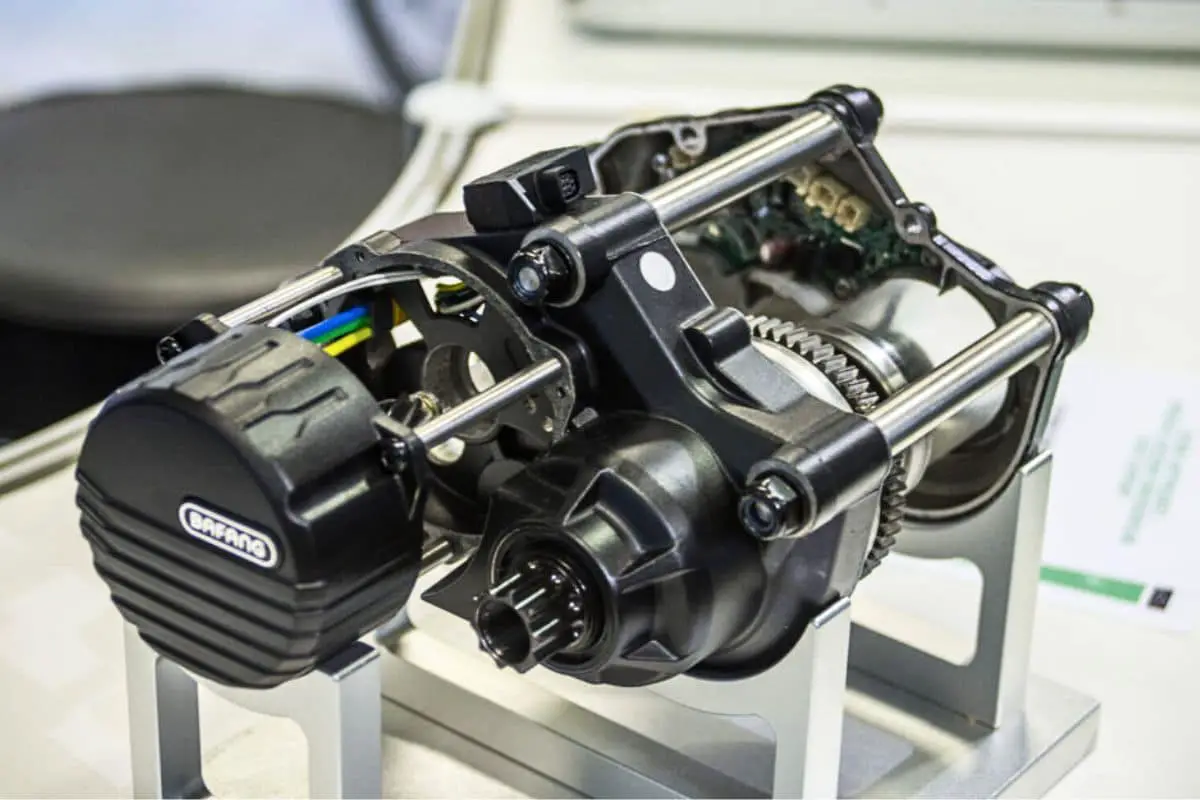
Bafang’s M-series represents years of refinement in mid-drive design, but newer doesn’t always mean better. Each motor targets specific applications and budgets, with trade-offs that marketing materials conveniently ignore. Here’s what each model actually delivers in demanding real-world conditions.
Notes
- Rated Power: The continuous power the motor can deliver. Higher wattage suits demanding applications.
- Max Torque: Rotational force. More torque equals easier hill climbing and acceleration.
- Nominal Voltage: Operating voltage. Higher voltage often means better performance.
- Speed Limit: Maximum assisted speed, varying by model and local regulations.
- Weight: Motor weight impacts overall bike weight. Choose lighter for road, heavier for off-road/cargo.
- Waterproof Rating: IPX5/IPX6 ratings offer protection against water splashes and heavy rain.
- Programming: Level of user customization available – UART allows full control, CAN-Bus limits options.
- Best Use: Recommended use cases for the motor (e.g., city, trekking, eMTB, etc.).
Bafang Mid-Drive Model Breakdown: Real-World Performance
Specifications tell only part of the story. Real-world performance depends on controller programming, heat management, and how these motors behave under actual riding conditions rather than ideal test bench measurements.
Bafang BBSHD (M615): The DIY Champion

The BBSHD remains the gold standard for DIY conversions despite being several years old. Its 1000W rating understates real capability—proper batteries enable 1200-1400W peaks that embarrass purpose-built e-bikes. The 160Nm torque figure accurately reflects climbing ability that transforms impossible hills into manageable grades.
What separates the BBSHD isn’t just raw power—it’s complete programmability. Users adjust every parameter from power curves to speed limits using free software and USB cables. This freedom explains continued popularity despite newer alternatives promising improvements. The robust 30A controller and external cooling handle abuse that destroys lighter motors.
Best For: DIY builders wanting maximum power with complete control. Works with any 48V or 52V battery. Community support is unmatched—thousands of configurations shared freely online.
Bafang BBSHD 1000W
Downsides are real but manageable. The 5.8kg weight affects bike balance, and high power stresses chains and derailleurs. Installation requires mechanical competence, and programming access enables mistakes that damage components. But for builders who want ultimate performance with customization freedom, nothing else compares.
Bafang BBS02B (M315): The Sweet Spot

The BBS02B delivers 80% of BBSHD performance at 60% of the cost and complexity. Its 750W rating masks impressive peak output—real testing shows 900-1000W bursts with appropriate batteries. The 100Nm torque handles most hills effectively while keeping weight reasonable at 4.3kg.
Many underestimate the BBS02B by focusing on peak numbers rather than real-world usability. For most riders on varied terrain, the difference between 100Nm and 160Nm torque matters less than programming flexibility and reliability. The BBS02B shares the BBSHD’s complete customization capabilities without the higher cost and weight penalties.
Power Reality: The 750W version provides ample power for most applications. Users consistently report satisfaction with performance that rivals much more expensive purpose-built systems.

Bafang BBS02B 750W
The internal 25A controller limits peak power compared to BBSHD’s 30A external unit, but this rarely matters in real riding. Installation is identical to the BBSHD, and programming freedom remains complete. For most conversion projects, the BBS02B offers the best balance of performance, cost, and capability.
Bafang BBS01B (M215): The Budget King

The BBS01B represents the entry point into Bafang’s programmable mid-drive ecosystem. At 250W and 80Nm torque, it provides meaningful assistance without overwhelming lightweight bikes or inexperienced builders. The 3.6kg weight keeps handling natural while adding substantial climbing ability.
What separates the BBS01B from higher-power siblings isn’t just lower output but different intended use. It excels for commuting, light touring, and riders who want electric assistance without dominating the pedaling experience. Full UART programming access enables customization that transforms performance.
Best Bang for Buck: Complete programming control, proven reliability, and community support at the lowest price point. Perfect for first-time builders who want to learn without breaking the bank.

Bafang BBS01B 250/350W
Users consistently report satisfaction with BBS01B performance for intended applications. Hills that stop hub motors become manageable, battery life extends significantly, and the natural pedaling feel keeps cycling enjoyable. It’s the motor that proves you don’t need 1000W to transform cycling.
Bafang M200: The Budget Entry Point
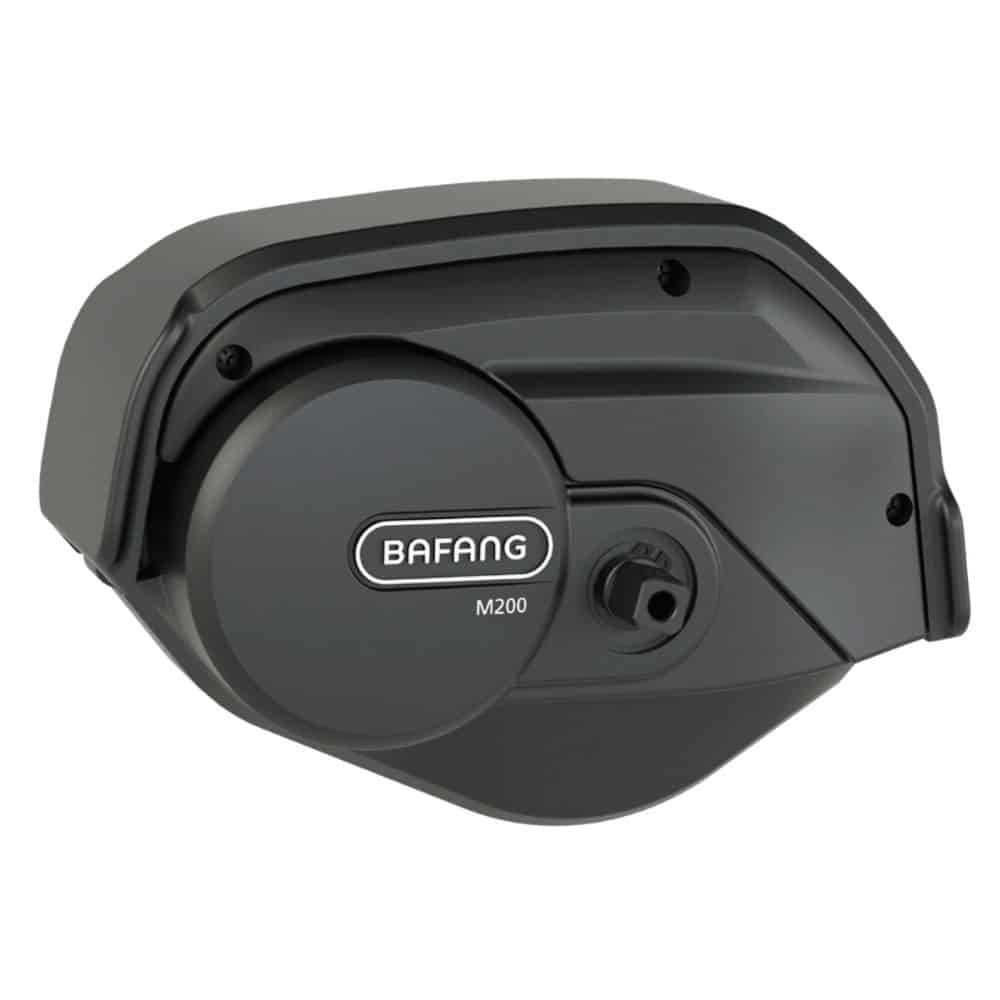
The M200 serves as the entry point for those new to mid-drive e-bikes. This compact and lightweight motor (3.2kg) delivers a smooth 250W of power and 65Nm of torque, ideal for city commutes and leisurely rides. Its cadence sensor responds to your pedaling, providing natural assistance when needed most.
The M200 is built for daily use, featuring an IPX5 water-resistant rating to protect against rain and splashes. It’s remarkably quiet, ensuring peaceful rides through city streets. With easy installation and compatibility with various batteries, the M200 offers flexibility for different e-bike designs.
Best For: First-time e-bike users who want reliable, affordable assistance for flat terrain commuting. The M200 proves you don’t need high power for effective electric assistance in urban environments.
Overall, the M200 provides reliable and enjoyable performance at an affordable price. If you’re looking for smooth, quiet, and user-friendly assistance for daily commutes or weekend adventures, the M200 delivers solid value despite limited climbing ability.
Bafang M210: The Entry-Level Upgrade
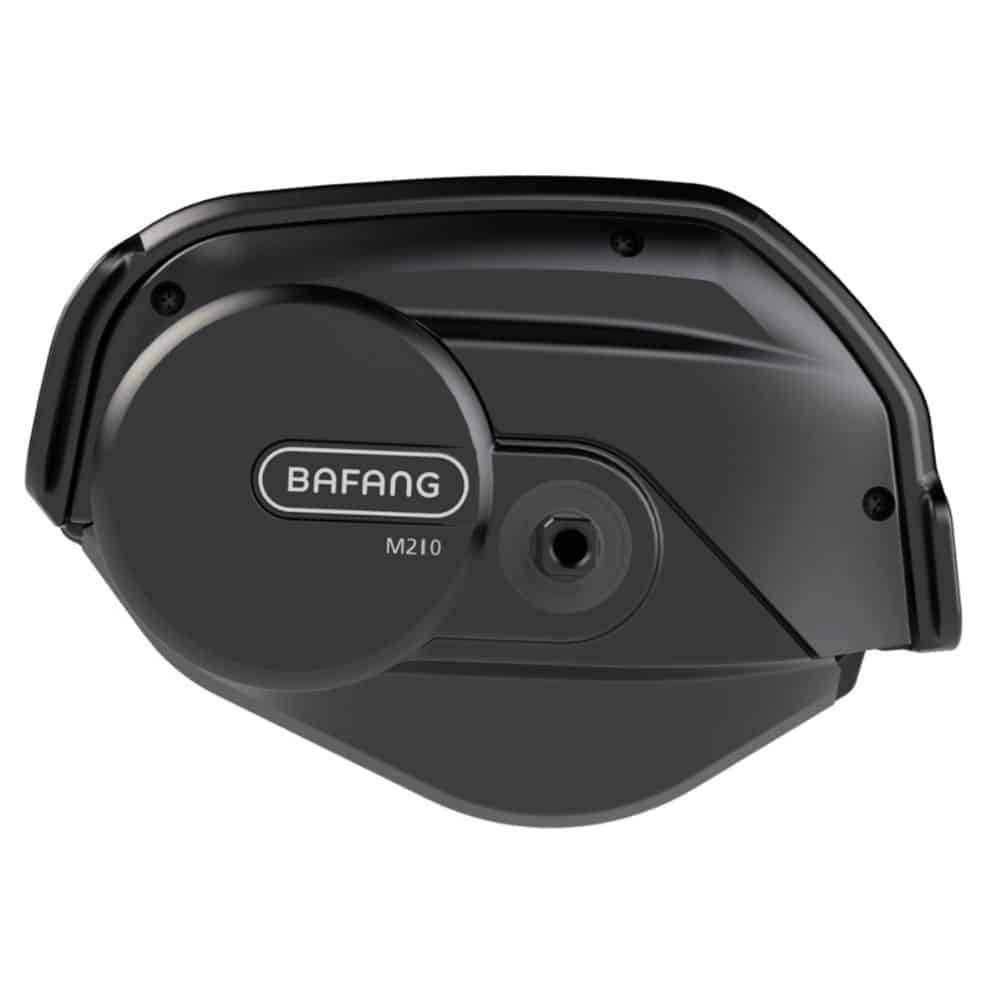
The M210 brings modern torque sensing to the entry-level market with 250W power and 70Nm torque in a 3.2kg package. Unlike the BBS01B’s pure cadence sensing, the M210 includes both torque and cadence sensors for more natural power delivery that adapts to pedaling force rather than just speed.
Built for cost-conscious buyers who want modern features, the M210 targets urban commuters and light touring riders. The IPX6 waterproof rating exceeds many higher-end motors, making it suitable for daily use in varied weather conditions. However, CAN-Bus communication eliminates the programming flexibility that BBS motors provide.
Modern Features, Entry Price: The M210 proves torque sensing doesn’t require premium pricing. Natural power delivery and weather protection make it attractive for daily commuting, but programming restrictions limit customization.
Users appreciate the M210’s smooth operation and quiet performance, though the limited power becomes obvious on sustained climbs. It works best for flat to moderately hilly terrain where efficiency and natural feel matter more than peak power output.
Bafang M300: The Efficiency Champion
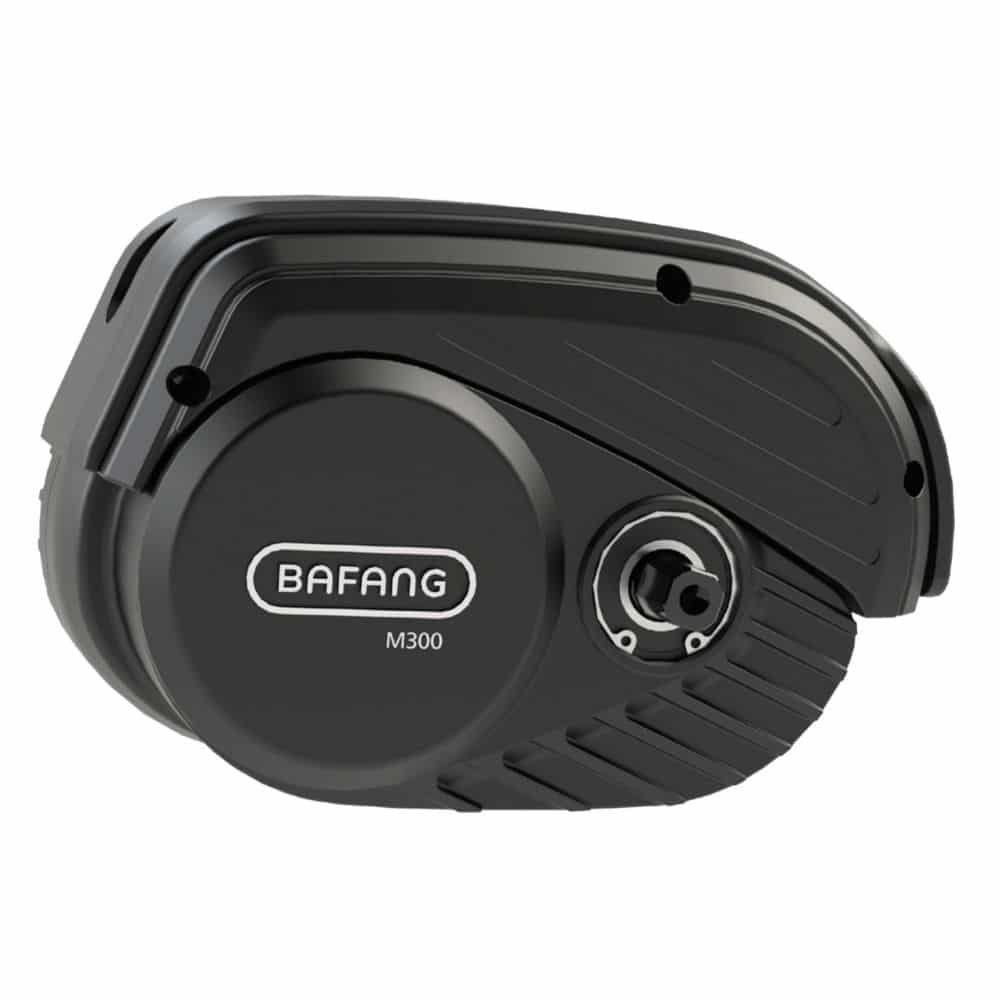
The M300 focuses on efficiency over raw power, delivering 250W and 80Nm torque in a 3.6kg package designed for maximum range. Its whisper-quiet operation makes it perfect for navigating urban environments where noise matters. The IPX5 waterproof rating ensures durability against weather elements.
Equipped with sophisticated cadence sensing, the M300 delivers power intuitively based on pedaling speed. Its compatibility with 36V, 43V, and 48V batteries offers flexibility in e-bike setup. The motor’s smooth and responsive power delivery adapts naturally to varied riding conditions.
Efficiency Focus: The M300 prioritizes range over peak performance, making it ideal for riders who need consistent assistance across long distances rather than explosive climbing power.
Riders appreciate the M300’s quiet operation, ease of maintenance, and compatibility with various bike frames. Optional e-brake and 6V light drive provide additional safety features for diverse riding conditions. For quiet, efficient, and adaptable assistance, the M300 delivers consistent results.
Bafang M400: The Touring Specialist
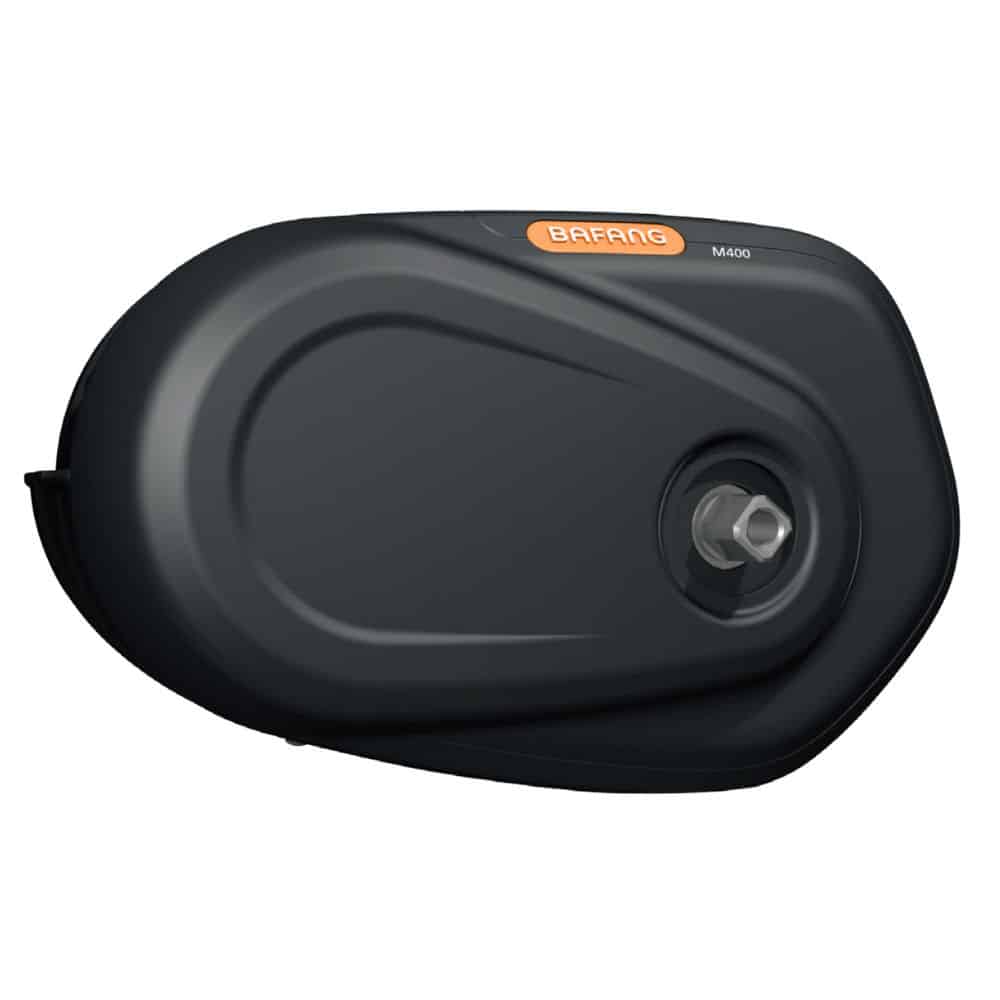
The M400, known as the Max Drive, excels for daily commutes, trekking adventures, and light mountain biking. Delivering balanced 250W power and 80Nm torque in a 3.9kg package, it provides smooth and efficient performance across varied terrains while maintaining reasonable weight for extended rides.
The M400’s torque sensor responds intuitively to pedaling input for natural power delivery. Its robust construction ensures reliability, while quiet operation suits urban environments and peaceful trails. The motor’s versatility shines through compatibility with different battery configurations and frame designs.
Touring Excellence: The M400’s reliability and consistent power delivery make it perfect for loaded touring where dependability matters more than peak performance. It handles varied conditions without drama.
Riders appreciate the M400’s user-friendly controls, informative displays, and ability to tackle diverse riding conditions with ease. For powerful, reliable, and adaptable assistance across daily adventures, the M400 provides excellent all-around performance.
Bafang M410: The Reliable Workhorse
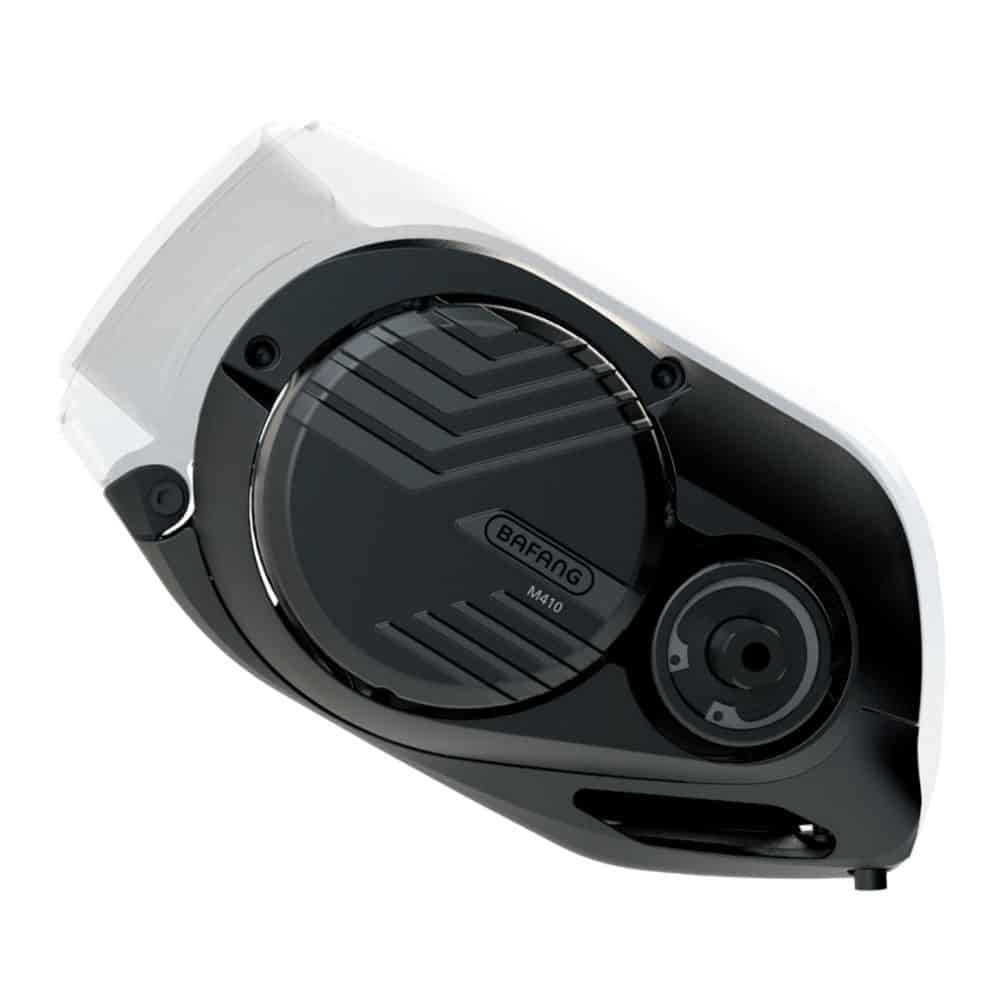
The M410 delivers high-performance assistance for eMTBs, eTrekking, and eCargo bikes. At just 3.5kg, it’s significantly lighter than comparable motors while delivering 250W power and 90Nm torque. This lightweight design enhances agility and handling, making every ride more enjoyable.
Advanced sensor technology ensures precise power delivery based on pedaling input, resulting in natural and intuitive riding experiences. The motor provides smooth start-up and strong acceleration, making it reliable for diverse riding conditions from urban commuting to off-road adventures.
Weight Advantage: The M410’s light weight doesn’t compromise power delivery. It provides excellent torque-to-weight ratio that benefits handling and overall bike performance across varied applications.
Users praise the M410 for quiet operation, easy installation, and seamless integration with various transmission systems and batteries. Its versatility, performance, and lightweight design make it suitable for riders seeking reliable, adaptable assistance across multiple applications.
Bafang M420: The Urban Performer
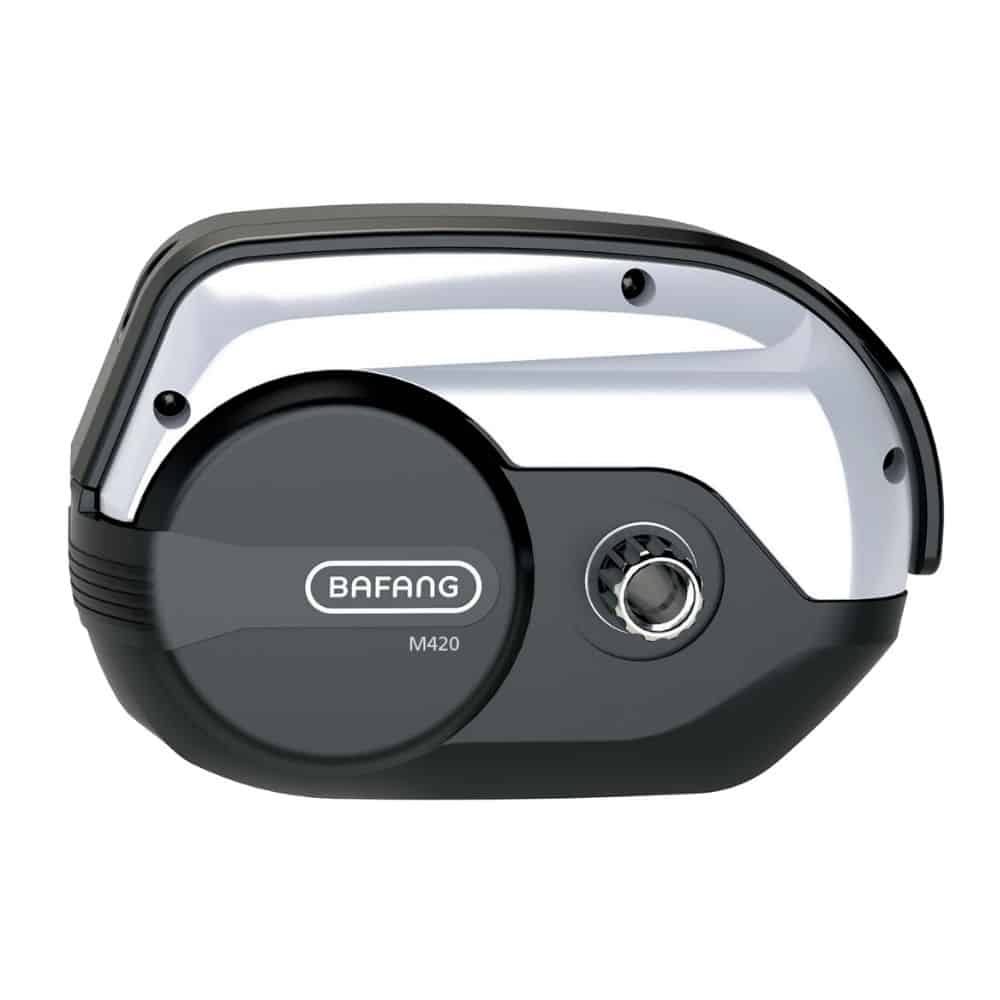
The M420 stands out as a stylish and responsive motor tailored for urban riding and light trekking adventures. Its sleek design seamlessly integrates into modern e-bike frames, while 250W power and 80Nm torque provide ample support for navigating city streets and moderate hills at 3.6kg total weight.
Equipped with advanced torque sensors, the M420 delivers natural and intuitive power that adjusts output in real-time to match pedaling effort. This seamless power delivery ensures smooth and comfortable rides, whether commuting to work or exploring scenic trails.
Urban Focus: While some riders note potential waterproofing concerns in very wet conditions, the M420’s overall performance and reliability excel in typical urban riding scenarios where style meets functionality.
The intuitive handlebar-mounted display provides essential ride information, keeping riders informed and in control. Despite some limitations in extreme weather, the M420’s quiet operation, ease of installation, and compatibility with various battery configurations enhance its urban appeal.
Bafang M435: The Torque Sensing Newcomer
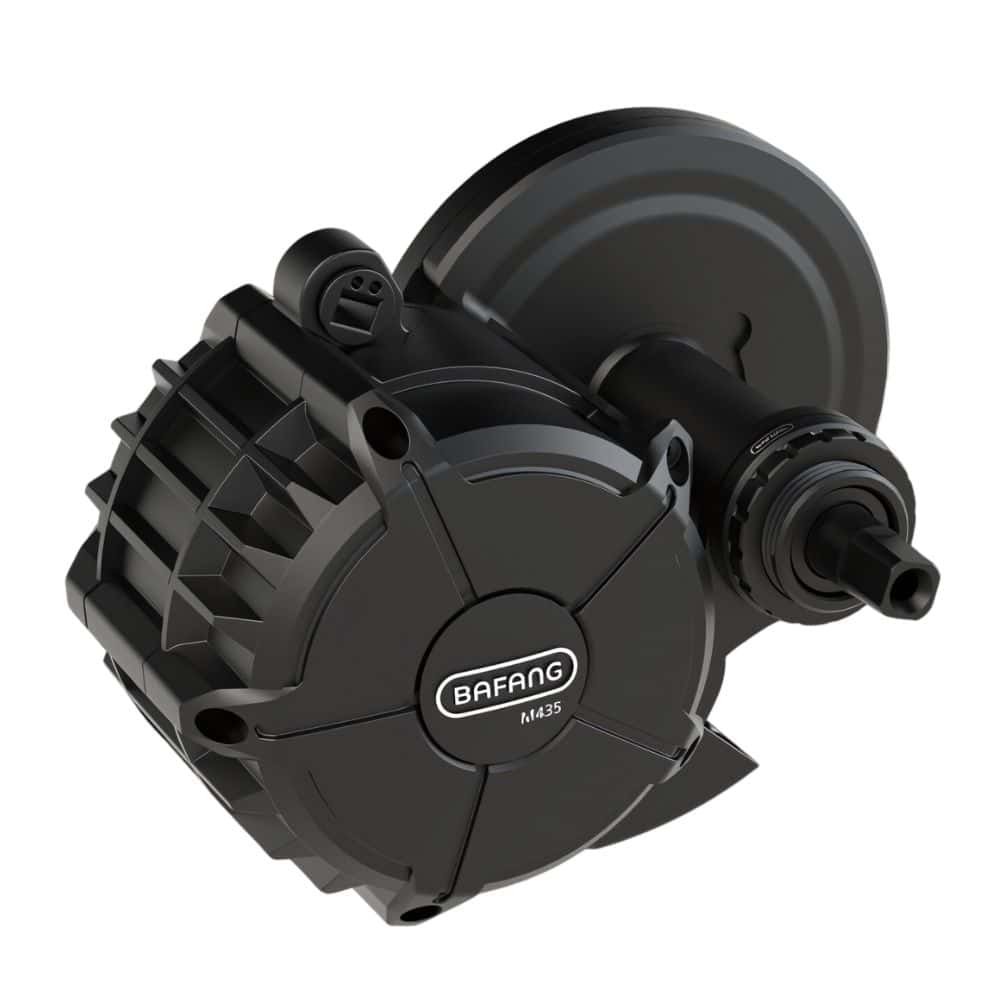
The M435 represents Bafang’s latest attempt to combine BBSHD-level power with modern torque sensing technology. Available in 500W and 750W configurations with 135Nm torque, it promises the natural feel of premium systems while maintaining compatibility with standard batteries unlike proprietary alternatives.
Early testing reveals mixed results. The torque sensing feels underdeveloped compared to established competitors, and programming limitations restrict customization that DIY builders expect. However, unlike the M625, the M435 works with standard batteries and doesn’t require proprietary CAN-Bus systems.
Work in Progress: The M435’s torque sensing needs refinement, and limited programming access frustrates experienced builders. It’s a step toward modern features but not yet a complete solution.
Consider the M435 experimental until real-world feedback improves. Early adopters report functional performance, but the torque sensing feels crude compared to refined systems. For DIY builders wanting proven performance, the BBSHD remains the better choice despite its age.
Bafang M445: The Maintenance-Free Innovation

The M445 represents the world’s first mid-drive motor integrated with a shaft drive system, eliminating traditional chain requirements entirely. This innovative design delivers 250W power and 50Nm torque, making it suitable for city commuting and light off-road use while drastically reducing maintenance needs.
The M445’s shaft drive system offers significant advantages, including reduced maintenance requirements and cleaner, quieter operation. Bafang provides different shaft lengths to accommodate various frame and wheel sizes, ensuring compatibility with diverse e-bike designs.
Revolutionary Design: The shaft drive eliminates chain wear, derailleur adjustments, and regular lubrication needs. It’s perfect for riders who want electric assistance without ongoing drivetrain maintenance.
The system pairs with Shimano Nexus internal gear hubs to offer 6, 7, or 8 speeds, providing ample gearing options for diverse terrains. With dual speed and torque sensors for smooth power delivery and integrated e-brake functions, the M445 offers a unique, low-maintenance solution for urban transportation.
Bafang M500: The Trail Partner

The M500 delivers high-performance assistance designed to elevate eMTB experiences. With maximum 95Nm torque and lightweight 3.4kg design, this motor effortlessly conquers steep climbs and technical trails, providing the power and agility needed for serious off-road adventures.
The M500’s impressive power stems from its heritage, being derived from the higher-powered M600 system while adhering to European 250W regulations. Sophisticated dual speed and torque sensors ensure finely tuned and responsive riding experiences that adapt precisely to rider input.
Trail Performance: The M500’s precise control and robust performance inspire confidence on challenging terrain. Whether you’re a seasoned rider or new to eMTBs, it provides intuitive power that enhances rather than dominates the riding experience.
Riders praise the M500 for exceptional power, lightweight design, and precise control. Its IP65 waterproof rating provides peace of mind during wet and muddy rides. For high-performance assistance that delivers thrilling and responsive rides on any trail, the M500 excels.
Bafang M510: The EU Compliance Champion
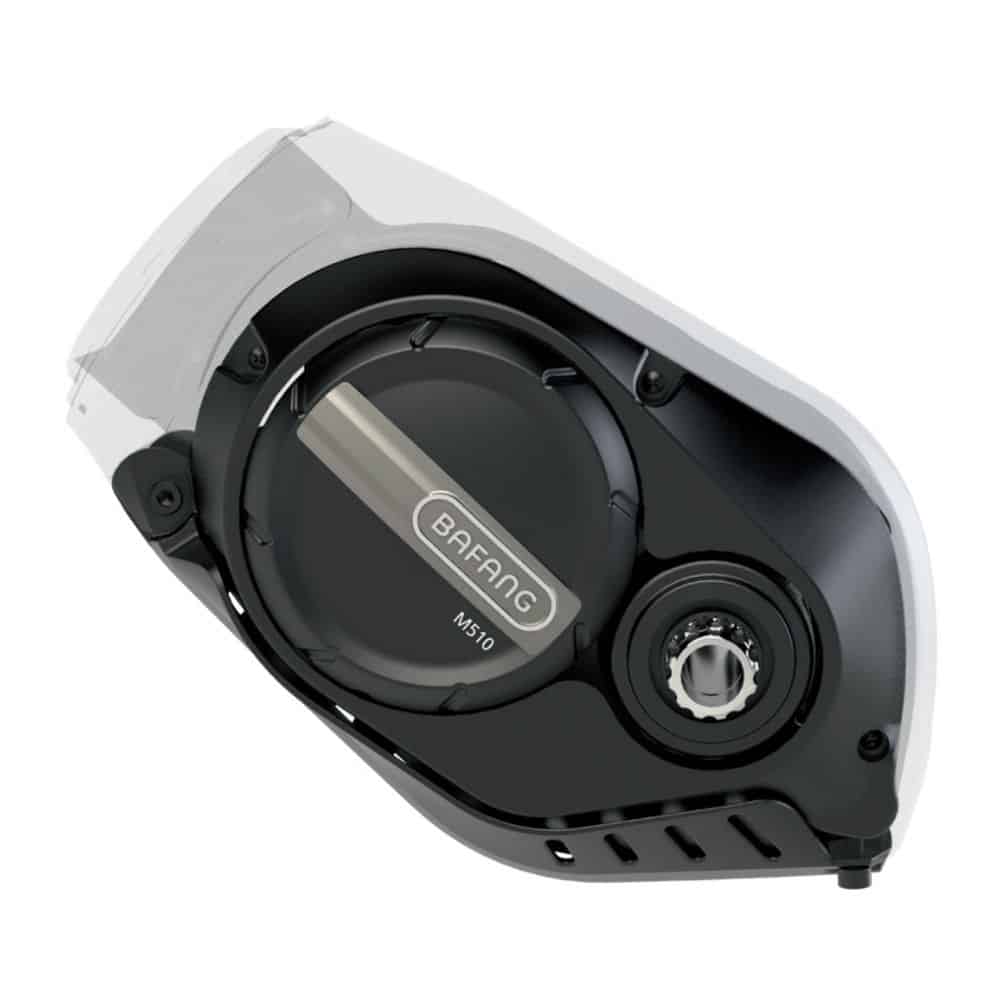
The M510 updates Bafang’s approach to 250W motors with modern technology and improved efficiency. Its 95Nm torque output challenges assumptions about low-power motors, delivering climbing ability that surprises riders accustomed to hub motors or older mid-drives.
Built for EU and other power-restricted markets, the M510 maximizes performance within legal constraints. The magnesium housing and nylon gears reduce weight while maintaining durability. Advanced torque sensing creates natural power delivery that adapts to riding style better than cadence-only systems.
Legal Power, Real Performance: Despite 250W legal rating, the M510 delivers impressive hill climbing through high torque output and intelligent power mapping. It proves legal limits don’t necessarily mean weak performance.
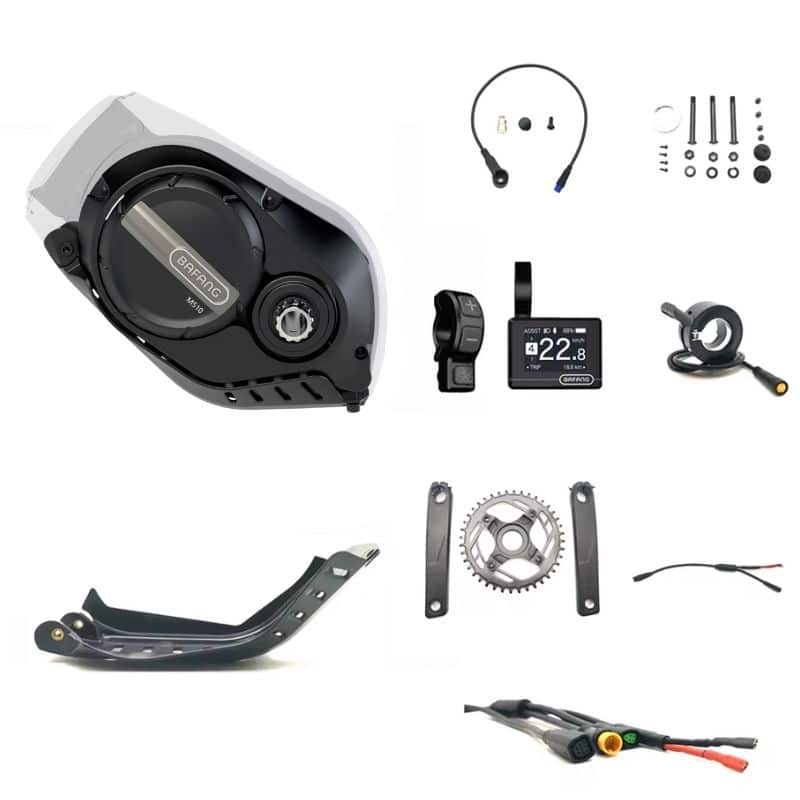
Bafang M510
The M510 represents what 250W motors should be: efficient, responsive, and surprisingly capable. Weight reduction and power increases compared to previous generation motors show Bafang’s engineering progress. For legal compliance markets, it’s transformative.
Bafang M560: The High-Power eMTB Beast
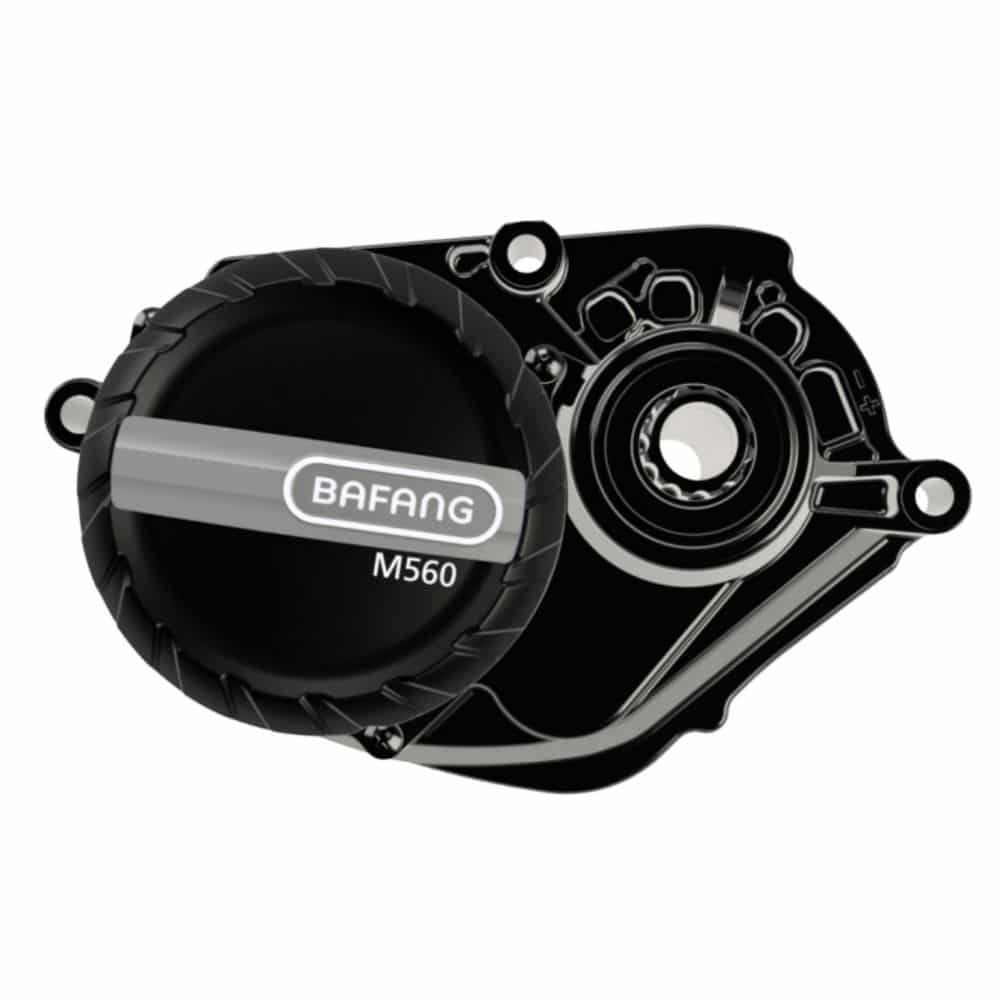
The M560 serves as a robust powerhouse engineered for those demanding more power and versatility from e-bike adventures. With impressive 750W power and maximum 140Nm torque, this motor effortlessly tackles steep climbs, challenging terrain, and heavy loads on eMTBs, eCargo bikes, and eFat bikes.
Equipped with a triple sensor system including torque and cadence sensors, the M560 delivers finely tuned and responsive riding experiences. Power delivery is precise and adapts seamlessly to rider input, making it easier to navigate technical trails with confidence despite the demanding conditions.
Power Trade-off: While some riders note slightly higher noise levels compared to other models, the M560’s exceptional power and solid build more than compensate, making it preferred for adrenaline-pumping off-road experiences.
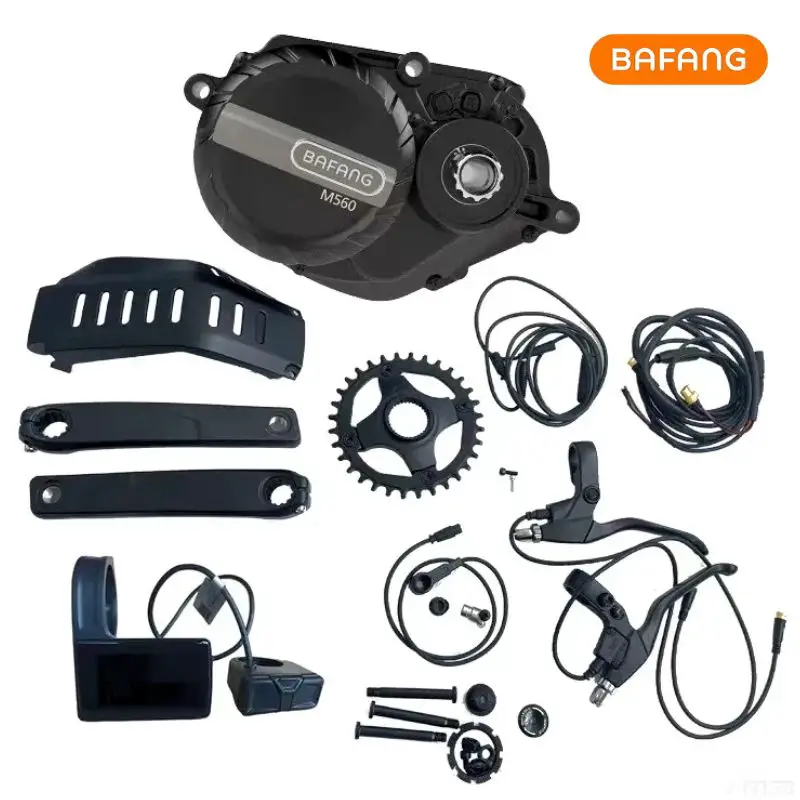
Bafang M560
The added convenience of optional throttle further enhances the M560’s appeal, offering additional control and assistance when needed most. At 3.3kg, it maintains reasonable weight while delivering exceptional performance for the most demanding applications.
Bafang M600: The Balanced Performer
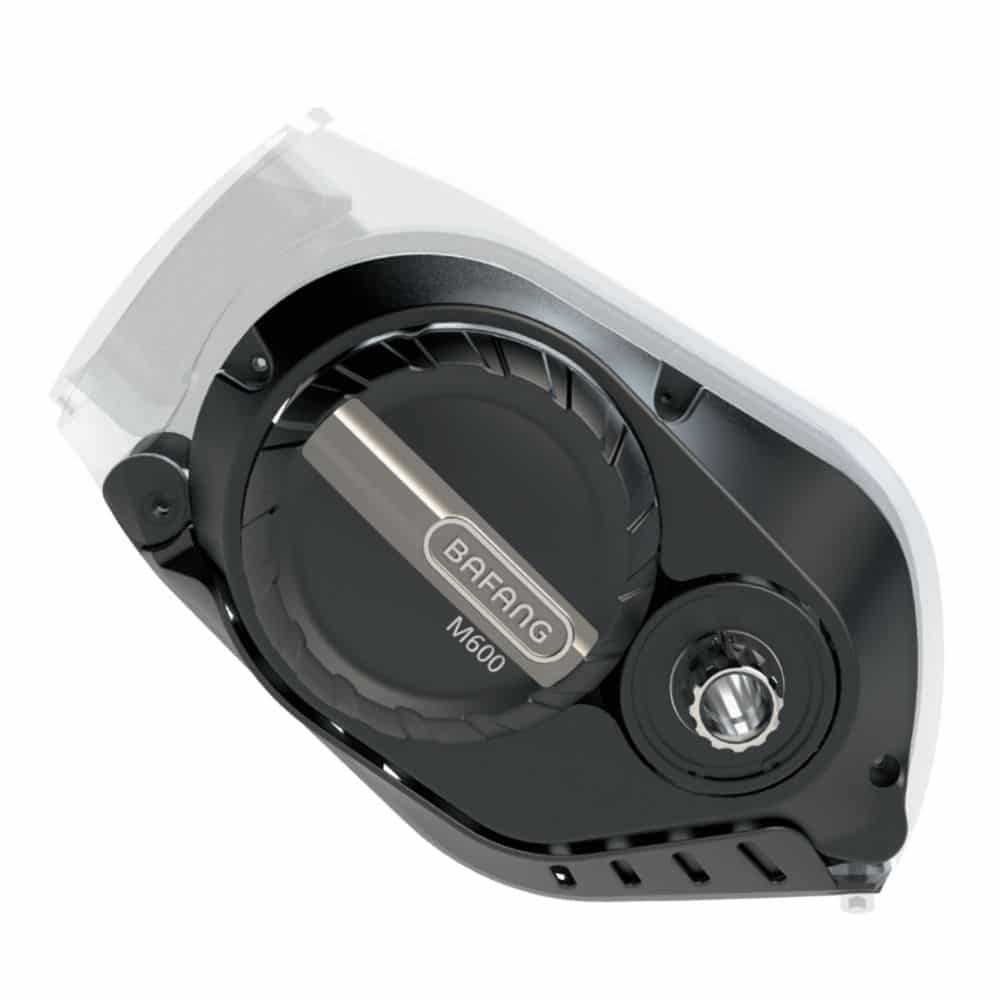
The M600 represents Bafang’s attempt at creating a Bosch Performance Line competitor with 500W power and 120Nm torque. At 3.9kg, it offers serious climbing ability while maintaining reasonable weight. The triple sensor system provides responsive power delivery that adapts to pedaling input better than cadence-only systems.
However, the M600 suffers from a critical flaw that limits real-world performance. Power delivery requires high cadence to access full torque, making sustained climbs frustrating as the motor falls off power at lower RPMs. This programming quirk means impressive specs don’t translate to impressive climbing performance.
Cadence Dependency: The M600 needs 60+ RPM to deliver full power, making it less suitable for steep technical climbs where lower cadences are natural. This limits its appeal for serious mountain biking.
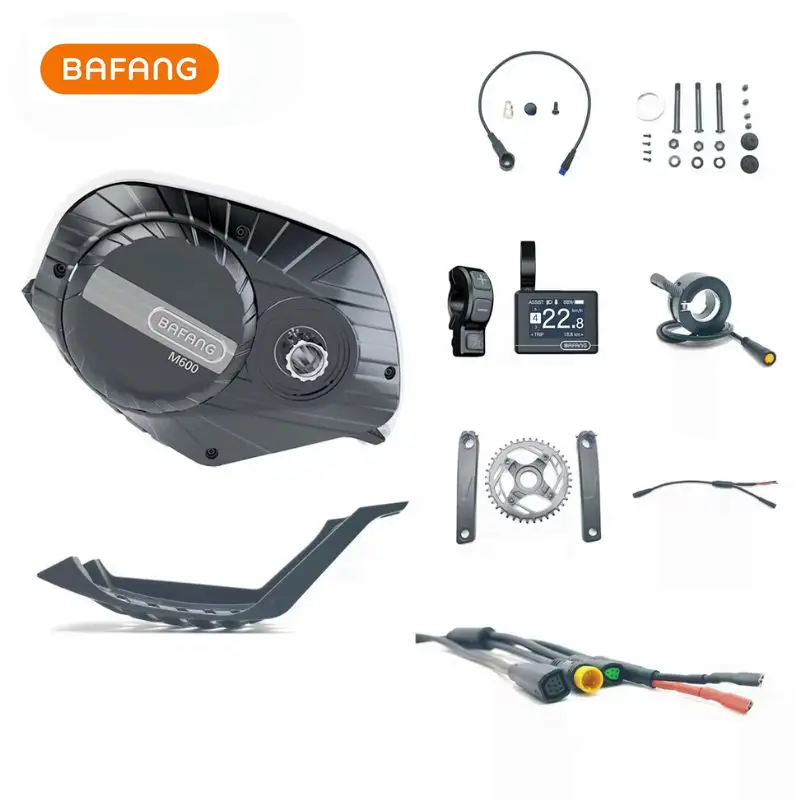
Bafang M600
Users report good performance on moderate terrain and appreciate the refined feel, but many find the power delivery frustrating compared to BBS motors that deliver immediate torque regardless of cadence. The M600 works best for riders who maintain high pedaling speeds.
Bafang M620 (Ultra): The Commercial Beast
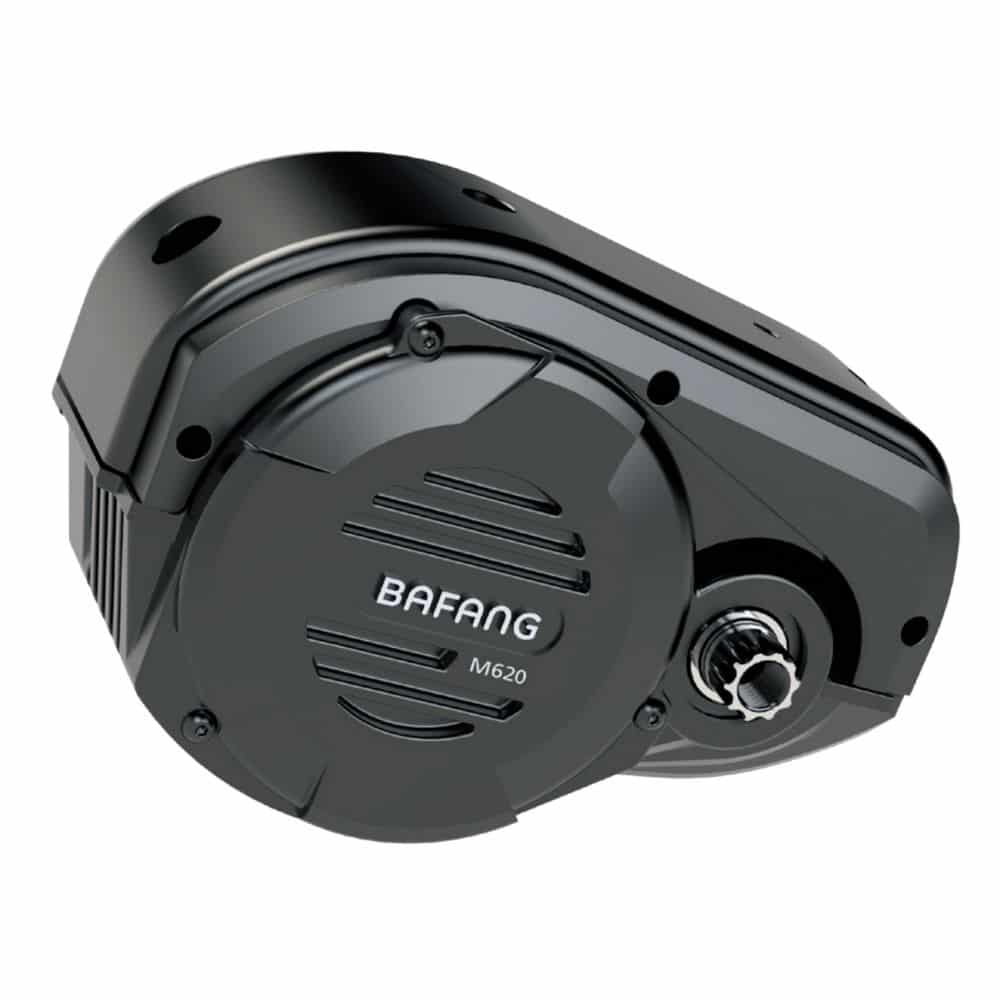
The M620 Ultra represents Bafang’s most powerful production motor, delivering genuine 1000W continuous output with 170Nm torque that handles any terrain. Built for commercial applications, it features dual sensors and sophisticated programming that creates more refined experiences than raw BBS motors deliver.
However, the Ultra comes with significant trade-offs for DIY builders. Programming requires dealer tools and access codes, limiting customization freedom that defines the DIY experience. The sophisticated torque sensing and controller create smoother operation but reduce the immediate, raw power delivery that many riders prefer from BBSHD systems.
Trade-off Warning: Sophisticated control systems mean more natural feel but less user control. The Ultra works best when you accept manufacturer programming rather than fight against it.
The M620 suits riders who want maximum power with refined delivery and don’t mind giving up customization control. It’s the choice for heavy cargo bikes, fat bikes, and applications where brute force matters more than tweaking parameters.
Bafang M625: The Controversial “Upgrade”

The M625 positions itself as the BBSHD successor but creates more problems than it solves. While cosmetically improved with better cooling and magnesium construction, it eliminates the programming freedom that made the BBSHD popular with DIY builders.
The shift to CAN-Bus protocol and dealer-only programming represents Bafang’s attempt to control their products like Bosch or Shimano systems. For most DIY applications, the M625 offers few practical advantages over the proven BBSHD while costing significantly more and providing less flexibility.
Programming Lockdown: The M625’s biggest flaw is restricted access to configuration settings. DIY builders lose the customization freedom that made Bafang motors attractive in the first place.
Save your money and stick with the BBSHD unless you specifically need the M625’s cosmetic improvements and don’t mind the programming restrictions. The older motor remains superior for serious DIY applications.
Bafang M635: The Heavyweight Champion
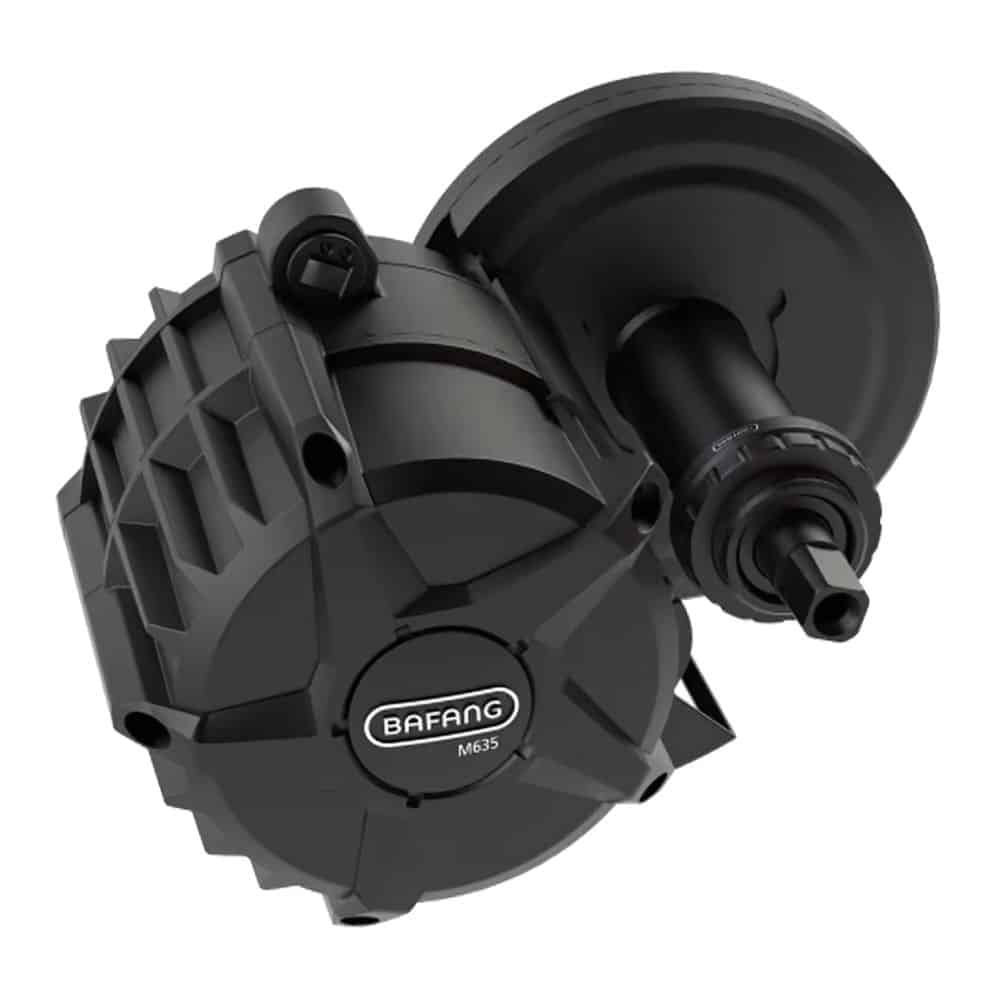
The M635 delivers maximum power for the most demanding applications with 1000W continuous output and 160Nm torque that handles any cargo or fat bike application. At 5.4kg, it’s lighter than the M620 while providing equivalent power, making it attractive for builders who need maximum capability without excessive weight.
Like the M435, the M635 includes torque sensing that attempts to modernize the high-power experience. However, programming restrictions limit the customization that makes high-power motors appealing to serious builders. It’s essentially a BBSHD with torque sensing but without the programming freedom.
Power Without Control: Maximum torque and power output, but limited programming access reduces appeal for serious builders who want to optimize performance for specific applications.
The M635 suits commercial applications and builders who want maximum power with modern torque sensing. However, DIY enthusiasts who value customization freedom should consider whether the torque sensing benefits justify losing programming control that makes the BBSHD legendary.
Bafang M800: The Road Specialist
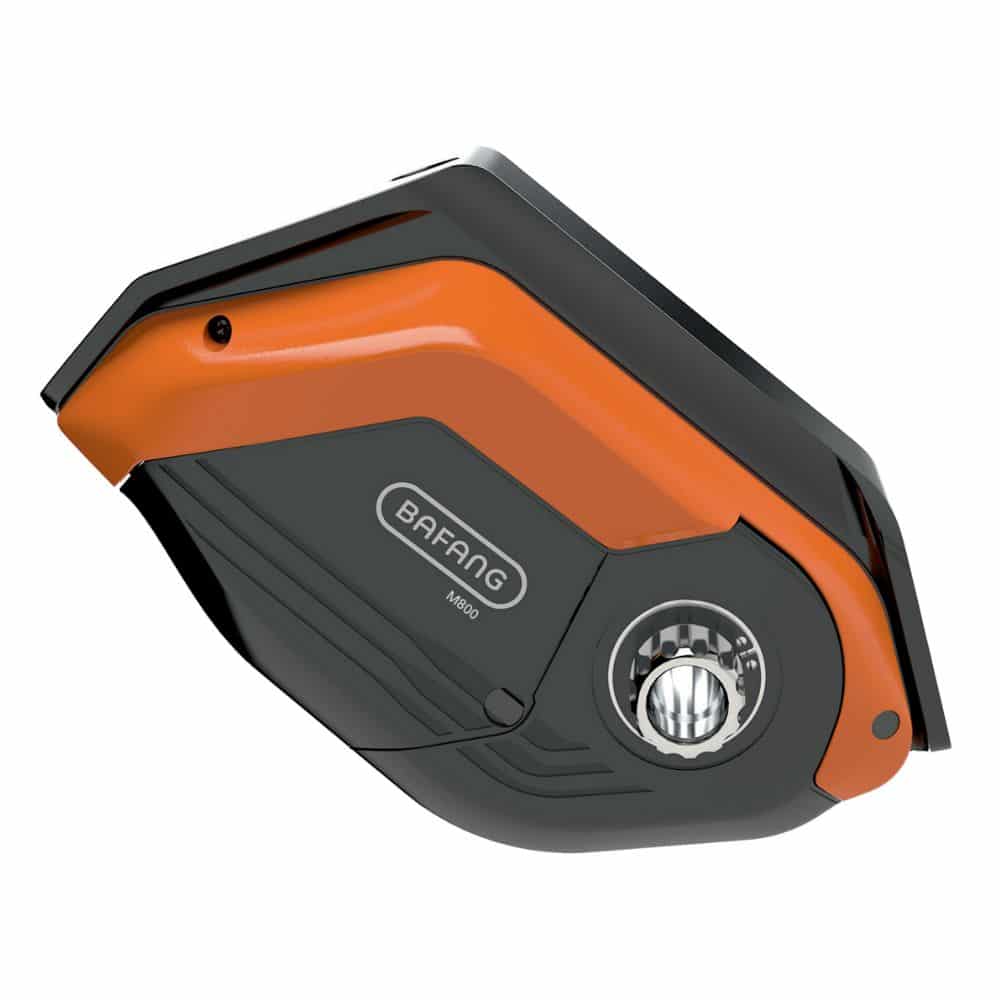
The M800 represents a featherlight powerhouse designed specifically for eRoad and eGravel cyclists. Weighing just 2.3kg, this compact motor delivers 200W power and 55Nm torque with a sleek aerodynamic design that minimizes drag while maximizing efficiency for performance-driven applications.
Engineered for speed and efficiency, the M800 offers ten levels of assistance, allowing riders to fine-tune their experience for optimal performance. Its lightweight design ensures minimal rolling resistance even when surpassing 25km/h speed limits, a feature appreciated by competitive and recreational riders alike.
Performance Focus: The M800’s aerodynamic design and lightweight construction make it ideal for riders who want electric assistance without compromising the performance characteristics that make road bikes appealing.
Cyclists who have experienced the M800 praise its seamless integration with eRoad and eGravel frames, as well as its ability to elevate performance on the road. For lightweight, aerodynamic, and powerful assistance that enhances rather than dominates road cycling, the M800 delivers exceptional results.
Bafang M820: The Lightweight Specialist

At just 2.3kg, the M820 redefines lightweight mid-drive possibilities. Its 250W rating and 80Nm torque target riders who prioritize weight savings over raw power. The magnesium housing and advanced controller create efficiency that rivals much larger motors within specific parameters.
The M820 excels on lightweight builds where every gram matters. Road and gravel riders report excellent range and natural feel, but power limitations become obvious on steep climbs or with heavy loads. It’s a specialized tool that excels within intended parameters but fails outside them.
Weight Weenie Special: Perfect for builds targeting sub-40lb total weight. Transforms lightweight bikes without compromising handling characteristics that make them appealing.
Real-world testing shows the M820 can peak at 600W+ with proper batteries, making the 250W rating somewhat misleading. For weight-conscious riders who understand the limitations, it’s transformative. For power users, it’s frustrating.
Bafang Electric Motor: Installation & Maintenance Guide
Proper installation and ongoing maintenance determine whether your Bafang motor delivers years of reliable service or becomes a source of frustration. The process requires attention to detail, but following proven procedures ensures optimal performance and longevity.
Installing Your Bafang Motor
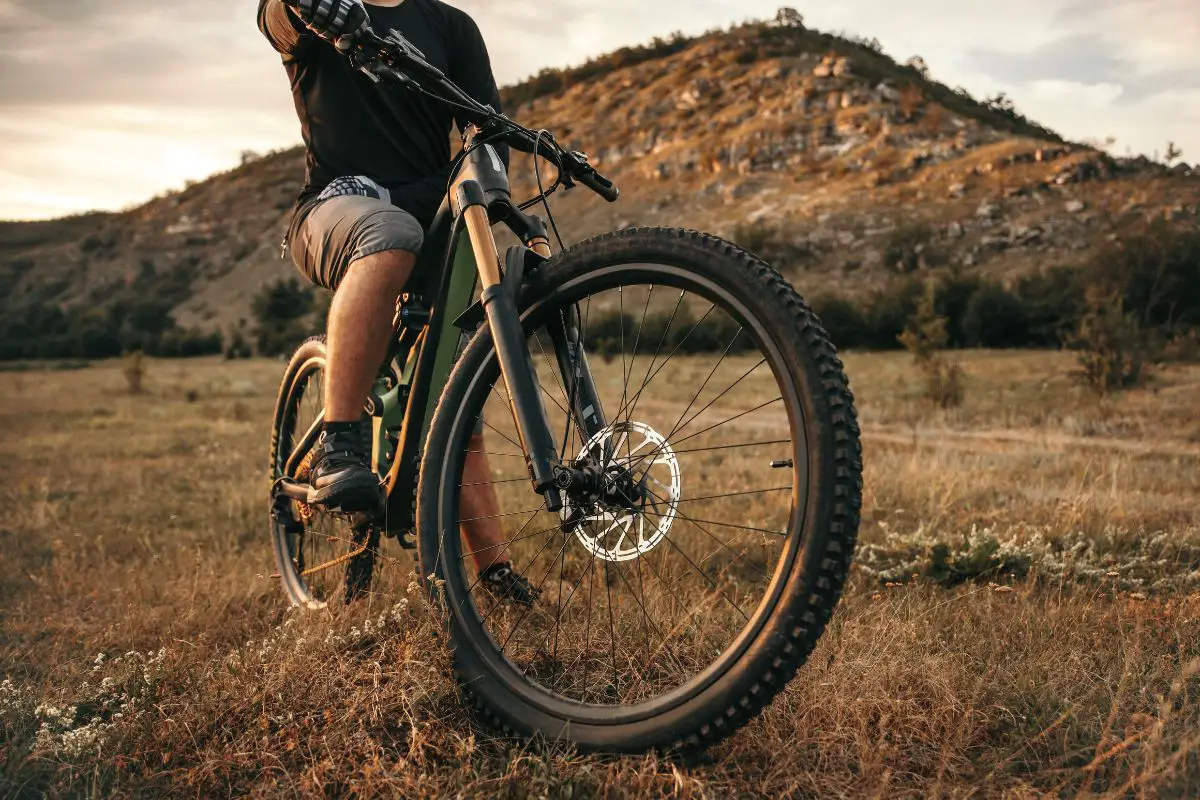
The installation process for a Bafang mid-drive motor varies depending on the model and your bike’s specific configuration, but following systematic approaches ensures success even for first-time builders.
Maintenance Tips
Regular maintenance maximizes the lifespan and performance of your Bafang motor. These essential practices prevent problems before they develop into expensive repairs.
Installation Reality: More Complex Than Hub Motors
Mid-drive installation requires removing your bottom bracket and affects your entire drivetrain, unlike the simple wheel swaps that hub motors require. The complexity isn’t just mechanical—it’s about understanding how motor placement affects bike geometry, handling, and component wear.
The process involves removing cranks, bottom bracket, and potentially frame modifications for cable routing. Most installations take 2-4 hours with proper tools compared to 30-60 minutes for hub motors. However, the performance benefits justify the extra complexity for riders who need maximum efficiency and climbing power.
Installation Reality Check: If you can service a bicycle bottom bracket and handle basic electrical connections, you can install a mid-drive. Patience and proper tools matter more than advanced mechanical skills. Our comprehensive installation guides cover step-by-step instructions for both mid-drive and hub motor systems, including tool lists and troubleshooting tips.
Installation Comparison
| Factor | Mid-Drive | Hub Motor |
|---|---|---|
| Time Required | 2-4 hours | 30-60 minutes |
| Tools Needed | BB tool, crank puller, specialty wrenches | Basic bike tools |
| Frame Modifications | Possible cable routing changes | None required |
| Drivetrain Impact | Affects entire system | Minimal to none |
| Reversibility | More complex restoration | Simple wheel swap back |
Who Should Actually Choose Mid-Drive Motors
Mid-drive motors excel in specific applications but create frustration when mismatched to rider needs or expectations. Understanding these scenarios prevents expensive disappointments and ensures you get the motor that actually improves your riding experience.
Mid-Drives Make Sense If You:
- Regularly ride hills steeper than 8% grade where efficiency matters
- Want maximum range and battery life through gear multiplication
- Can handle increased maintenance from drivetrain stress
- Value natural pedaling feel over pure convenience
- Have mechanical skills for installation and troubleshooting
- Prioritize performance over simplicity and cost
Avoid Mid-Drives If You:
- Ride mostly flat terrain where hub motors perform adequately
- Want minimal maintenance and maximum simplicity
- Lack mechanical skills for installation and service
- Have a tight budget and need maximum value per dollar
- Prefer throttle-only operation over pedal assistance
- Want to minimize impact on your bike’s original design
Bottom Line: Mid-drives transform cycling for riders who face demanding terrain and have realistic expectations about complexity. They’re not universal solutions but excel brilliantly within their intended applications. Choose based on your actual riding conditions, not peak power specifications or marketing promises.


