

The Bafang M600 promised to bridge the gap between budget and premium eMTB motors with its 120Nm of torque and 500W integrated design. After extensive analysis of user feedback across international forums and testing reports, the reality proves more complex than Bafang’s marketing suggests. While this motor delivers solid performance in specific scenarios, it carries frustrating limitations that become apparent once you venture beyond casual trail riding.
Trail Performance: Where 120Nm Meets Reality
The M600 creates an interesting contradiction. Despite boasting 120Nm of torque and 500W continuous power, this motor feels less immediate than its specifications suggest. The triple sensor system (one torque, two speed sensors) responds differently than riders expect, particularly those transitioning from cadence-based systems or premium European motors.
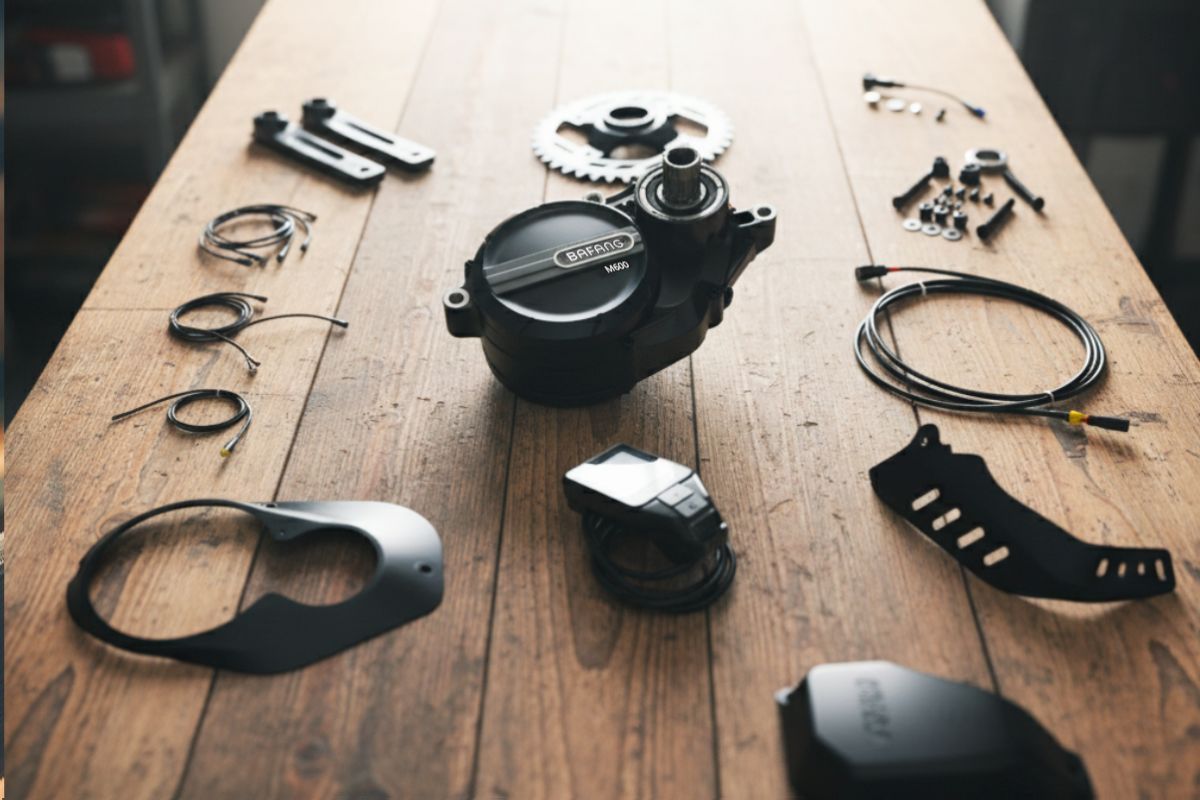
Testing reveals that the M600’s torque sensor demands significantly more pedal input than comparable systems to unlock its full assistance potential. This characteristic becomes problematic for lighter riders who find themselves working harder than expected to activate meaningful motor support. The sensor calibration appears optimized for heavier, more powerful riders, creating an accessibility gap that Bafang doesn’t acknowledge in their documentation.
The Weight Bias Problem
The M600’s torque sensor calibration creates an unintended discrimination against lighter riders. While a 180lb rider might find the assistance natural and progressive, a 130lb rider often struggles to trigger meaningful support, especially on technical climbs where precise power delivery matters most.
Another significant concern emerges during thermal stress testing. The compact 3.9kg motor shows thermal limitations when pushed hard, particularly with modified controllers that increase peak power beyond the stock 500W rating. Extended climbing sessions or aggressive trail riding can trigger thermal protection, causing power reduction when you need it most. This thermal sensitivity becomes more pronounced compared to larger motors like the Ultra or even properly cooled premium systems.
Technical Reality: The MM G521.500.C Breakdown
The M600 uses the MM G521.500.C designation, which reveals important details about its capabilities and real-world limitations. This technical identifier highlights both the motor’s strengths and the compromises inherent in its design philosophy.
The steel gear upgrade addressed early reliability concerns when Bafang switched from plastic gears around 2019. However, this change introduced new complexities. While more durable, the steel gears require precise manufacturing tolerances and contribute to the motor’s characteristic noise profile, which rates higher than premium competitors.
The CAN Bus Limitation: Programming Headaches
One of the M600’s most frustrating aspects involves its CAN bus communication protocol, which severely limits customization options compared to UART-based Bafang motors. This restriction affects both dealers and end users who want to optimize motor behavior for specific riding styles or address the torque sensor calibration issues.

Testing multiple firmware versions reveals significant differences in motor behavior depending on the manufacturer’s tuning. Luna Cycle’s firmware, for example, creates particularly problematic low-speed assistance patterns that make the motor feel jerky and unrefined. Other manufacturers like Evelo have managed better calibrations, but end users have no recourse if they receive poorly tuned systems.
Firmware Lottery System
Manufacturer Dependent
Common Problem
The CAN bus restriction also affects diagnostic capabilities. Unlike UART motors that can be analyzed and modified with standard PC software, CAN bus M600 motors require expensive BESST tools for any meaningful troubleshooting. This creates a service bottleneck that many shops aren’t equipped to handle.
The Problems Nobody Talks About
After 500 miles, the M600 starts showing its true colors. Water damage despite IP ratings, bearing failures in dry conditions, and thermal shutdowns during climbs reveal the gap between Bafang’s promises and engineering reality. These aren’t isolated incidents but predictable failure patterns emerging across different markets and riding styles.
Early Plastic Gear Failures
Pre-2019 M600 motors suffered widespread plastic gear failures under load. While newer motors use steel gears, many older units remain in circulation. Check manufacturing dates before purchase or consider upgrading if you experience frequent mechanical noise.
Water Ingress Vulnerability
Despite IP X5 rating, water ingress around speed sensors and cable entry points creates ongoing reliability concerns. This problem appears more prevalent than with properly sealed premium motors, leading to erratic behavior and potential controller damage.
Thermal Management Issues
The compact motor design struggles with heat dissipation during extended high-power operation. Modified controllers pushing beyond 500W exacerbate this problem, leading to power reduction precisely when maximum output is needed.
Noise Levels
The M600 operates noticeably louder than premium competitors, particularly under load. While the PEEK plastic gear option reduces noise somewhat, it doesn’t achieve the refined quietness of Bosch or Shimano systems.
Performance Across Different Riding Scenarios
Testing the M600 across various riding conditions reveals distinct strengths and weaknesses that depend heavily on riding style and terrain demands.

Long-Distance Trail Riding
The M600 excels on extended rides where consistent power matters more than peak output. Its efficiency-focused programming provides excellent range, and the motor’s thermal characteristics work well for sustained moderate efforts typical of long trail rides.
Technical Climbing
This represents the M600’s weakest area. The combination of torque sensor calibration issues and thermal sensitivity creates problematic power delivery on demanding technical climbs. Riders often find themselves working harder than expected while the motor struggles to provide consistent assistance.
Cargo and Utility Applications
Despite being positioned for eMTB use, the M600 performs competently in cargo applications. The 500W continuous rating provides adequate power for loaded riding on moderate terrain, though the torque sensor’s high activation threshold can be problematic when starting from stops with heavy loads.
Competition Analysis: How the M600 Stacks Up
Direct comparison with competing motors reveals the M600’s market position and highlights where it succeeds or falls short against established alternatives.
The comparison reveals the M600’s awkward market positioning. While offering higher torque specifications than many competitors, its execution lacks the refinement that justifies choosing it over proven alternatives. The weight penalty compared to premium motors becomes significant for riders prioritizing agility, while the programming limitations eliminate much of Bafang’s traditional appeal for enthusiasts.
Battery Efficiency and Range Performance
One area where the M600 shows genuine strength involves battery efficiency. The motor’s conservative programming approach prioritizes range over peak performance, resulting in impressive battery life during moderate use.
Range Testing Results (with 500Wh Battery)
80-100km
50-70km
30-45km
The efficiency advantage becomes more pronounced during longer rides where the M600’s conservative power delivery pays dividends. However, this comes at the cost of available power when tackling challenging terrain that demands immediate motor response.
Installation Compatibility and Service Reality
The M600 requires specific frame compatibility that can limit installation options, particularly for retrofit applications or frame swaps. The integrated design offers clean aesthetics but creates dependencies that affect long-term serviceability.
Installation Requirements
Service availability becomes a significant consideration. The CAN bus protocol and BESST tool requirement create service bottlenecks that many shops can’t address. This contrasts poorly with the traditional Bafang advantage of easy serviceability and wide parts availability.
Honest Assessment: Strengths vs Critical Weaknesses
What Actually Works
Serious Limitations

Bafang M600 System
Final Verdict: Compromised Potential
The Bafang M600 represents a missed opportunity in the eMTB motor space. While the hardware foundation shows promise with decent torque output and competitive pricing, the execution reveals compromises that undermine its potential. The restrictive CAN bus programming, thermal management issues, and problematic torque sensor calibration create frustrations that negate many of the motor’s theoretical advantages.
This motor works adequately for riders who prioritize efficiency over performance and can adapt to its particular characteristics. However, the combination of limited programming options, manufacturer-dependent firmware quality, and thermal sensitivity makes it a risky choice for serious eMTB applications.
Consider the M600 if you:
Look elsewhere if you:
The M600 occupies an uncomfortable middle ground between budget and premium options. For riders seeking true eMTB performance, the newer M560 or proven European alternatives offer better solutions. For those prioritizing value, the M500 provides similar capabilities with fewer compromises. The M600’s legacy will likely be as a stepping stone that highlighted the importance of proper software integration in modern eMTB motors.


