

Cleaning your e-bike isn’t just about looks. Professional mechanics report that 70% of conversion kits returned as “defective” actually have simple dirt and moisture related issues. The reality is that most riders either avoid cleaning altogether or make critical mistakes that damage expensive electrical components. After analyzing real shop data and testing cleaning methods on hundreds of e-bikes, here’s what actually works to keep your electric bike running smoothly without destroying sensitive parts.
The Cleaning Mistakes That Cost Money
Most e-bike damage happens during cleaning, not riding. The biggest issue isn’t complexity, but rather the wrong approach. Standard bike cleaning advice often ignores the electrical components that make e-bikes different. A pressure washer that works fine on a regular bike can destroy an e-bike’s motor seals in seconds.
Professional shops see the same problems repeatedly. Water forced into electrical connections causes corrosion months later. Soap residue on brake rotors creates dangerous braking issues. The wrong cleaning sequence spreads contamination to sensitive areas. These aren’t theoretical problems but real issues that cost riders hundreds in repairs.
Reality Check E-bikes are designed to handle rain, but they’re not built for direct pressure washing. The waterproof ratings protect against natural water exposure, not high-pressure jets aimed directly at seals and connections.
Quick Clean: 10-Minute Maintenance Routine
Need a fast but effective clean after a muddy ride? This streamlined routine covers the essentials that prevent expensive problems without the full detail process. Professional couriers use similar quick routines between deliveries to keep their e-bikes running reliably.

The Essential Process
Power & Protect (0-1 min)
Turn off system, remove battery, cover electrical components with bags or cloth
Initial Rinse (1-3 min)
Low pressure water from top to bottom, remove loose dirt and mud before scrubbing
Drivetrain Focus (3-6 min)
Apply degreaser to chain, scrub with brush, clean cassette and derailleur thoroughly
Frame Clean (6-8 min)
Wipe frame with damp cloth, avoid spraying motor directly, focus on salt removal
Dry & Finish (8-10 min)
Thorough dry with microfiber cloth, lubricate chain, reinstall battery and test
When to Use Quick Clean Perfect for light dirt, salt removal, or regular maintenance. For heavy mud or month-long buildups, use the complete process below.
Essential Equipment for Professional Results
The right tools make the difference between a quick clean and potential damage. You don’t need expensive equipment, but using the wrong products can harm sensitive components. Professional mechanics use specific tools for good reasons.
Must-Have Cleaning Tools
| Tool | Purpose | Why It Matters |
|---|---|---|
| Brush Set | Frame, drivetrain, tires, brake rotors | Prevents cross contamination between clean and dirty areas |
| Microfiber Cloths | Separate cloths for greasy and clean parts | Absorbs moisture without scratching surfaces |
| Low Pressure Water Source | Garden hose or bucket, never pressure washer | Controls water pressure to protect electrical components |
| Bike Specific Cleaner | Gentle formula that won’t damage plastics | Household cleaners can attack seals and electrical housings |
| Chain Degreaser | Removes built up grime from drivetrain | E-bike chains work harder and collect more contamination |
Pre-Cleaning Setup That Prevents Damage
What you do before touching water determines whether your cleaning session goes smoothly or creates expensive problems. Professional mechanics follow specific preparation steps that protect electrical components while ensuring thorough cleaning access.
Critical Pre-Cleaning Steps
Turn off your e-bike system and remove the battery. This isn’t optional. Live electrical systems and water create dangerous situations and can damage expensive components permanently.
Cover displays, charging ports, and controller connections with plastic bags or waterproof film. Even “waterproof” components benefit from extra protection during direct cleaning.
Use a bike stand if available, but never turn your e-bike upside down. E-bikes are designed to drain water while upright. Flipping them can cause water to pool in motor and battery areas.
Professional Cleaning Sequence
The order you clean components matters more than most people realize. Starting in the wrong place spreads contamination to clean areas, making your job harder and potentially damaging sensitive parts. Professional mechanics follow a specific sequence for good reasons.
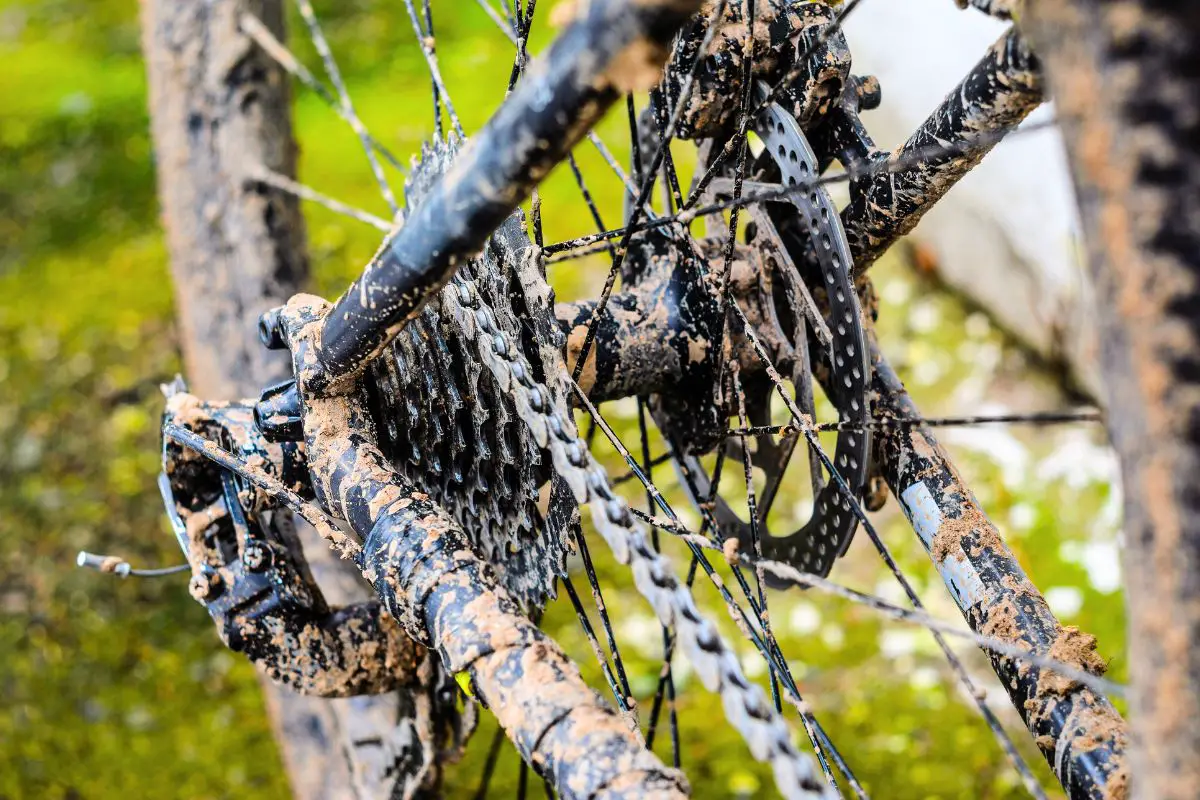
Step 1: Initial Rinse Strategy
Start with a gentle rinse from top to bottom using low pressure water. This removes loose dirt that could scratch surfaces during scrubbing. The key word here is gentle. High pressure water can force dirt deeper into components and past seals.
| Area | Technique | Avoid |
|---|---|---|
| Frame and Wheels | Gentle spray, work top to bottom | Direct spray on electrical components |
| Motor Area | Indirect spray, use damp cloth for direct contact | Any direct water pressure on motor housing |
| Electrical Connections | Wipe with barely damp cloth only | Any water spray, even low pressure |
Step 2: Apply Cleaner Properly
Apply bike-specific cleaner starting from the top, working downward. This prevents cleaner from dripping into sensitive areas. Let the cleaner work for the recommended time but don’t let it dry on surfaces.
Step 3: Drivetrain Deep Clean
The drivetrain requires special attention on e-bikes because the motor adds extra power and stress to the chain and gears. This increased force attracts more dirt and accelerates wear if not properly maintained.
Apply degreaser to the chain, cassette, and derailleur. Use a stiff brush to agitate, then rotate pedals backward to work the degreaser through all links. Avoid getting degreaser on brake rotors at all costs.
Clean around mid-drive motors carefully. Use brushes to remove buildup from motor housing but avoid forcing water into cooling vents or electrical connections.
Cleaning Products That Actually Work
Not all cleaning products work well with e-bikes. Some damage electrical components, others leave residues that attract more dirt. Professional mechanics use specific products because they’ve learned what works through experience, not marketing claims.
Recommended Cleaning Systems
| Product Type | Best Options | Why They Work |
|---|---|---|
| General Cleaners | Muc-Off, Peaty’s Loam Foam, Bio-Chem | Biodegradable formulas that won’t damage seals or plastics |
| Drivetrain Degreasers | Muc-Off Drivetrain Cleaner | Powerful enough for e-bike chains but safe for rubber seals |
| Waterless Options | Specialized cleaning wipes | Good for light cleaning when water access is limited |
| Avoid Completely | Dish soap, car wash soap, bleach-based cleaners | Can damage electrical components and strip essential lubricants |
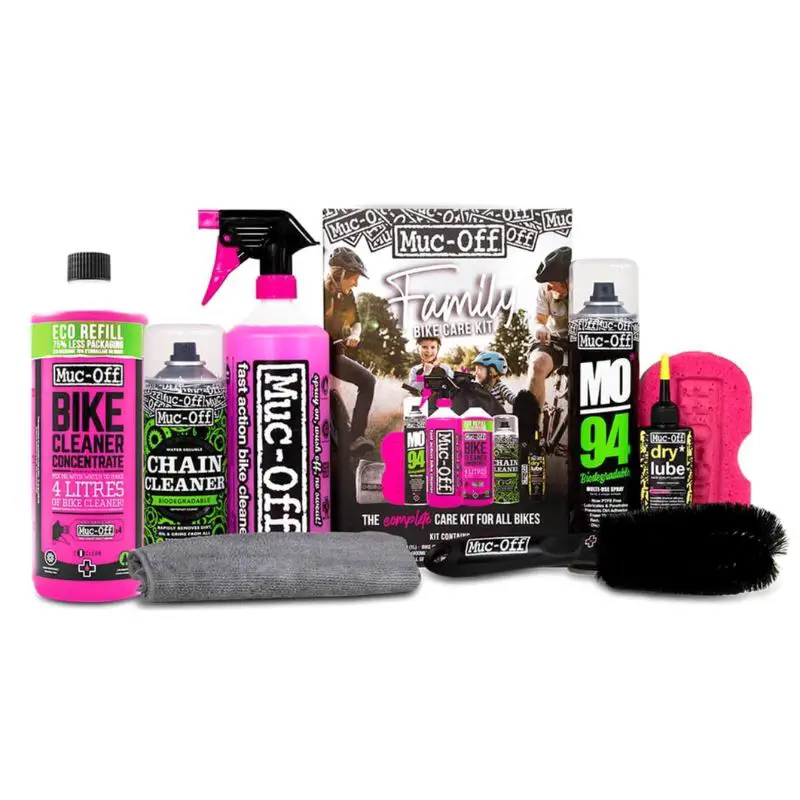
Muc-Off E-Bike Kit
Complete 8-piece system with biodegradable formulas designed specifically for e-bike components and electrical parts.

Peaty’s Loam Foam
Eco-friendly concentrate that makes 6 liters of powerful cleaner. Excellent value for regular maintenance routines.
Critical Drying & Post Cleaning Care
How you finish the cleaning process determines whether your e-bike stays in good condition or develops problems weeks later. Moisture left in the wrong places causes corrosion, electrical issues, and component failure. Professional mechanics never skip these final steps.
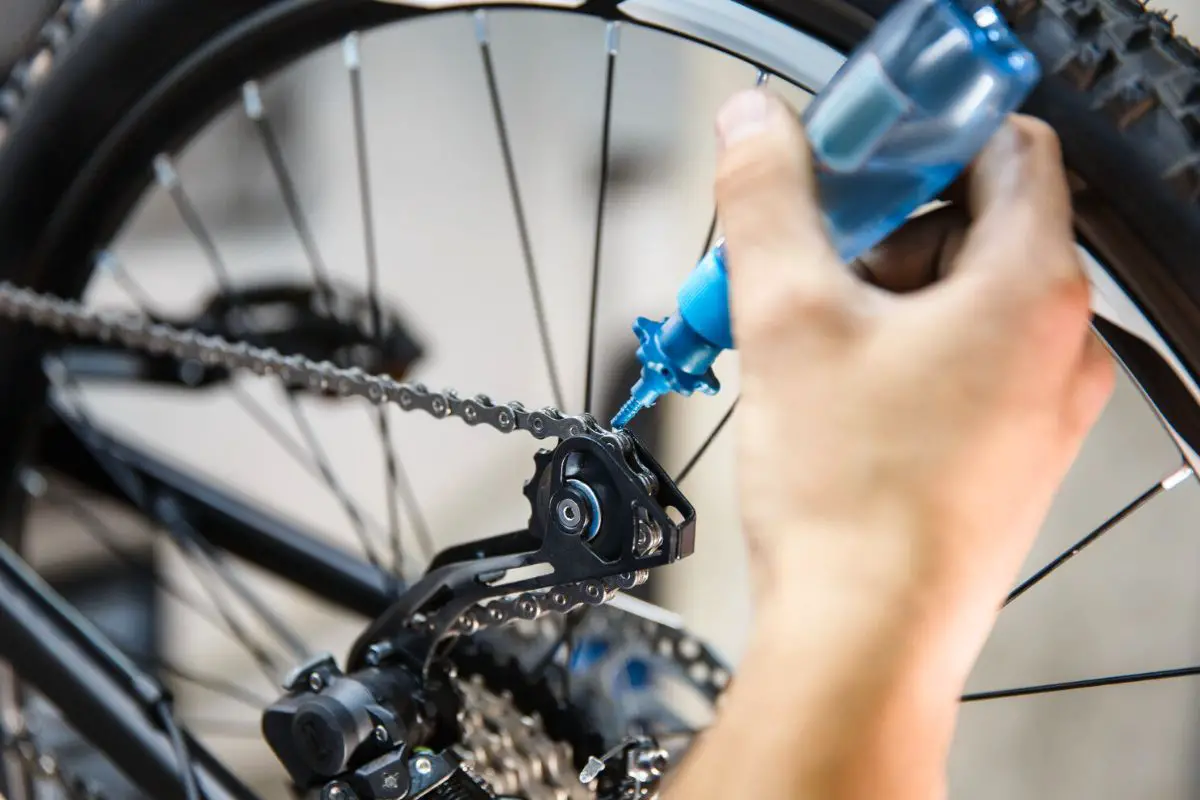
Thorough Drying Protocol
| Priority Area | Drying Method | Why It Matters |
|---|---|---|
| Electrical Connections | Compressed air and dry cloth | Moisture causes corrosion and connection failure |
| Battery Terminals | Contact cleaner spray and dry wipe | Poor connections reduce power and cause errors |
| Chain and Drivetrain | Thorough wipe, then immediate lubrication | Bare metal rusts quickly without protection |
| Frame and Components | Microfiber cloth, pay attention to bolt holes | Water trapped in threads causes bolt corrosion |
Chain Lubrication Essentials
A clean chain needs immediate lubrication. E-bike chains work harder than regular bike chains and require proper lubrication to handle the extra torque without premature wear.
Use wet lube for rainy or muddy riding. Apply to each link while rotating pedals backward, then wipe excess to prevent dirt attraction.
Dry lube for summer or dusty conditions. Less messy but requires more frequent application in wet weather.

Muc-Off C3 Ceramic Lube
Advanced ceramic formula that reduces friction and protects against wear. Ideal for high-torque e-bike applications.
4 Mistakes That Destroy E-Bikes
Professional shops see the same expensive mistakes repeatedly. These aren’t theoretical problems but real damage that costs riders hundreds in repairs. Understanding these failure modes helps you avoid costly problems.

Damage Prevention Guide
| Common Mistake | What Actually Happens | Repair Cost |
|---|---|---|
| Pressure Washing | Water forced into motor seals causes corrosion months later | $200 – $800 motor replacement |
| Lubricant on Brakes | Contaminated brake pads lose stopping power | $40 – $120 new pads and rotors |
| Wrong Cleaning Order | Drivetrain contamination spreads to clean areas | Extra cleaning time and potential component damage |
| Inadequate Drying | Trapped moisture causes electrical connection corrosion | $100 – $300 electrical repairs |
The Pressure Washer Problem High pressure water can penetrate seals rated for normal water exposure. Motor manufacturers void warranties for pressure washer damage because it forces water past barriers designed for rain, not direct pressure.
Final System Check & Protection
Proper cleaning ends with verification that everything works correctly and protection against future contamination. Professional mechanics always test the system after cleaning to catch any issues immediately rather than discovering them on the trail.
Post Cleaning Verification
Reinstall the battery and power on the system. Check that all electrical functions work properly including display, assist levels, and sensors.
Test gear shifting while pedaling slowly. Properly cleaned and lubricated drivetrains should shift smoothly without noise or hesitation.
Test brakes before riding. Clean brakes should engage smoothly without squealing. Any contamination requires immediate attention.
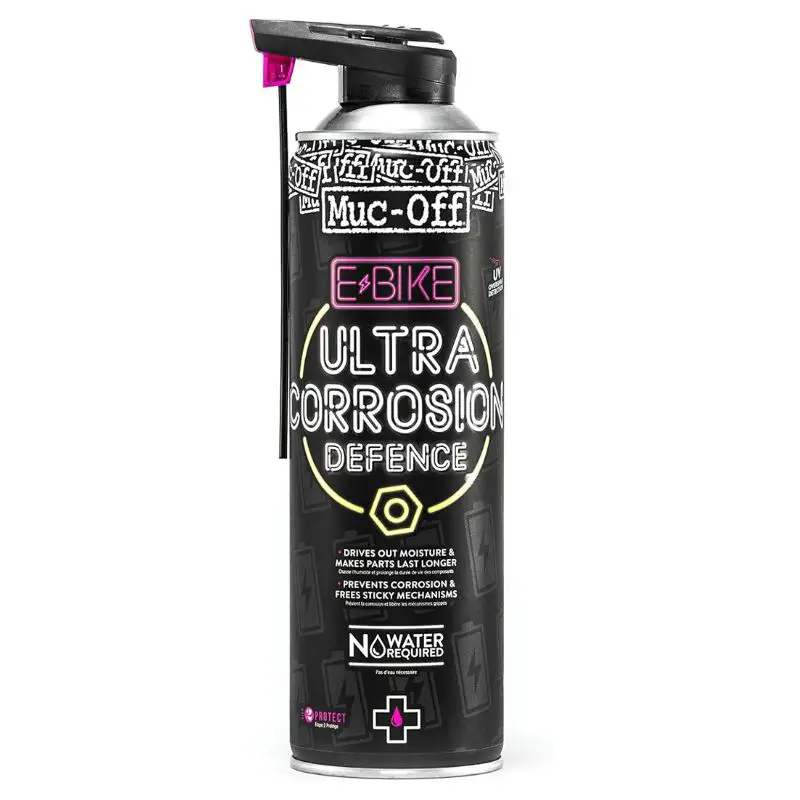
Muc-Off Corrosion Protection
Advanced anti-corrosion formula that protects electrical contacts and metal components from moisture damage.
Smart Cleaning for Long Term Performance
Regular cleaning isn’t just about appearance. It’s preventive maintenance that saves money and extends component life. The key is developing a routine that fits your riding style and conditions rather than following generic advice that doesn’t match your needs.
Tips: Clean e-bikes last longer and cost less to maintain. The time you spend cleaning properly prevents the time and money lost to premature component failure.


