

Most e-bike manufacturers quietly admit in the fine print what they won’t say in marketing: water damage voids your warranty. Rain doesn’t just get components wet, it finds every unsealed connector, corrodes battery contacts, and forces moisture past seals at speeds that turn road spray into a pressure washer. The battery alone costs $400-900 to replace, and a shorted controller adds another $150-300. Yet riders in Seattle, Amsterdam, and London commute year-round without destroying their bikes. The difference isn’t luck or expensive gear, it’s knowing which precautions actually matter and which ones waste your time.
The IP Rating Reality: What Water-Resistant Actually Means
E-bikes carry IP ratings that sound reassuring until you decode what the numbers actually protect against. IPX4 means “splash resistant from any direction,” not “ride through a downpour.” IP65 sounds robust but still fails if you blast it with a garden hose or submerge the motor in a puddle.
No e-bike is waterproof in the submarine sense. They’re water-resistant to varying degrees, and that resistance degrades over time as seals compress, gaskets wear, and connectors corrode. A brand new bike with IP65 might laugh at moderate rain. That same bike three years later with worn seals? Different story entirely.
IP Rating Translation Table
| Rating | What It Actually Protects | Rain Tolerance | What Breaks It |
|---|---|---|---|
| IPX4 | Light splashes from any direction | Drizzle, brief showers | Heavy rain, road spray at speed |
| IP54 | Dust + splash protection | Light to moderate rain | Sustained downpours, puddles |
| IPX6 | Powerful water jets from any angle | Heavy rain, extended exposure | Submersion, pressure washing |
| IP67 | Dust-tight + submersion to 1m/30min | All rain conditions safely | Deep water, sustained submersion |
Budget E-Bike Warning: Many cheap conversion kits and off-brand e-bikes list no IP rating at all. If the manufacturer doesn’t specify protection levels, assume the electronics are basically unprotected. One heavy rainstorm can brick the controller, and these bikes often can’t be repaired cost-effectively.
Component-Specific Ratings Matter More Than Overall Rating
Your e-bike might advertise IP65 protection, but that rating often applies only to the battery or motor individually, not the entire bike. The display might be IPX4, the controller IP54, and the battery IP67, creating weak points where water damage concentrates.
Most Vulnerable Components
- LCD Display: Often only IPX4, first component to fog up or malfunction in heavy rain
- Controller: Usually mounted under battery or in frame, but connectors exposed to road spray
- Battery Charging Port: Rubber cover frequently left loose or damaged, direct water entry point
- Motor Connectors: Where motor cable meets controller, corrodes first on many bikes
1. Light Rain vs Heavy Rain: Different Rules Apply
Riders treat all rain the same, but water behaves dramatically differently depending on intensity and your speed. Light drizzle while riding 10 mph barely wets the bike. Heavy downpour at 20 mph turns road spray into a fire hose aimed at your motor and battery.
Speed Amplifies Water Pressure
The faster you ride, the more forcefully water hits components. At 25 mph, the constant spray from your front tire acts like a low-pressure washer, forcing water past seals that would hold fine at walking speed. This matters especially for hub motors and displays mounted low on the bike.
| Rain Condition | Safe for IPX4 | Safe for IP54-55 | Safe for IP67 |
|---|---|---|---|
| Light drizzle | ✓ Yes, any speed | ✓ Yes, any speed | ✓ Yes, any speed |
| Moderate steady rain | ⚠ Risky above 15 mph | ✓ Yes, reduce speed slightly | ✓ Yes, any speed |
| Heavy downpour | ✗ Not recommended | ⚠ Slow speed, short duration | ✓ Yes, with precautions |
| Flooding/deep puddles | ✗ Never | ✗ Never | ⚠ Avoid when possible |
When to Stop and Seek Shelter
Turn Off Motor and Coast If
- Rain suddenly intensifies to torrential levels
- You see standing water covering the road ahead
- Display starts flickering or showing error codes
- Motor makes unusual sounds or cuts out intermittently
A wet motor that’s turned off can be dried and recovered. A wet motor that shorts while running often suffers permanent damage. Coast to shelter using pedal power only if conditions deteriorate suddenly.
2. Puddle Depth Matters More Than Rain Intensity
Hub motors sit near the rear wheel axle, typically 4-6 inches off the ground. Ride through a puddle deeper than that and you’ve just dunked your $300-600 motor in water, regardless of how well it handles rain from above.

Critical Depth Thresholds
Hub Motor Location
- Rear hub motors: Generally 4-6 inches above ground (clearance varies by tire size)
- Mid-drive motors: Mounted at crank, usually 8-12 inches above ground (better protected)
- Battery placement: Frame-mounted batteries typically 10-18 inches up, downtube batteries most vulnerable
Water Depth Guidelines
- Under 2 inches: Safe for all e-bikes, ride through normally
- 2-4 inches: Splashes reach motor and battery, slow down significantly to reduce spray
- 4-6 inches: Hub motors partially submerged, dismount and walk bike through or find alternate route
- Over 6 inches: Never ride through, risk submersion of all electronic components
3. Battery Charging Ports Fail Before Anything Else
The single most common water damage point isn’t the battery itself, but the charging port. That little rubber flap protecting the charging contacts? Most riders leave it loose or slightly open without realizing it. Water gets in, corrosion starts immediately, and the battery refuses to charge three rides later.
Pre-Ride Port Check (30 Seconds)
Before Every Wet Ride
- Open the charging port cover and inspect for moisture or corrosion
- Wipe dry if any moisture present (even condensation from temperature change)
- Press the rubber cover firmly closed, ensuring all edges sealed
- Some riders add a piece of electrical tape over the port cover for extra protection
Signs of Port Corrosion
- Green or white crusty buildup on charging pins
- Battery charges slowly or stops charging at 80-90%
- Charger shows error lights or won’t connect
- Pins look dull or discolored instead of shiny brass/copper
Caught early, cleaning with contact cleaner and a soft brush fixes this. Ignored, corrosion spreads to internal battery connections and requires professional repair or replacement.
Never Charge a Wet Battery
This warning appears in every manual but riders ignore it constantly. Plugging in a charger while the port or contacts are wet creates an electrical short that can permanently damage the BMS (Battery Management System) or, in worst cases, start a lithium battery fire.
Post-Rain Charging Protocol
- Wait minimum 30 minutes after wet ride before attempting to charge
- Remove battery from bike if possible, wipe exterior completely dry
- Open charging port, inspect for moisture, wipe with dry cloth
- If any water visible inside port, use compressed air or hair dryer on cool setting
- Wait until contacts are completely dry and shiny before plugging in charger
4. Connectors Corrode Faster Than You Think
E-bikes use multiple electrical connectors: battery to controller, controller to motor, controller to display, brake sensors, pedal assist sensor. Each connector is a potential water entry point. Unlike automotive connectors designed for all-weather use, many e-bike connectors use basic plastic housings that trap moisture once water gets inside.
Dielectric Grease: The $8 Solution That Works
Dielectric grease is waterproof, doesn’t conduct electricity, and prevents corrosion in connectors. One small tube costs under $10 and protects all your connections for a year of wet riding. Yet most riders never use it because bike shops don’t mention it.
How to Apply Properly
- Disconnect the connector (battery off, bike powered down)
- Clean both male and female sides with contact cleaner if corroded
- Apply small amount of dielectric grease to both connector faces
- Reconnect, ensuring grease fills all gaps around pins
- Repeat for all major connectors: motor, display, brake sensors
High-Priority Connectors
- Motor to controller: Usually located near rear dropout, exposed to maximum road spray
- Battery to controller: Handles full power load, corrosion here causes intermittent power cuts
- Display connector: Often mounted on handlebars with minimal weather protection
- Brake sensor wires: Thin wires prone to damage, affect motor cutoff safety feature
Cheap Conversion Kits Have the Worst Connectors
Budget conversion kits from AliExpress or Amazon basics often use the thinnest, cheapest connectors available. These corrode within months of wet riding. Premium e-bikes from Bosch, Specialized, or Trek use automotive-grade sealed connectors that last years.
5. Chain Lubrication Matters More After Rain Than Before
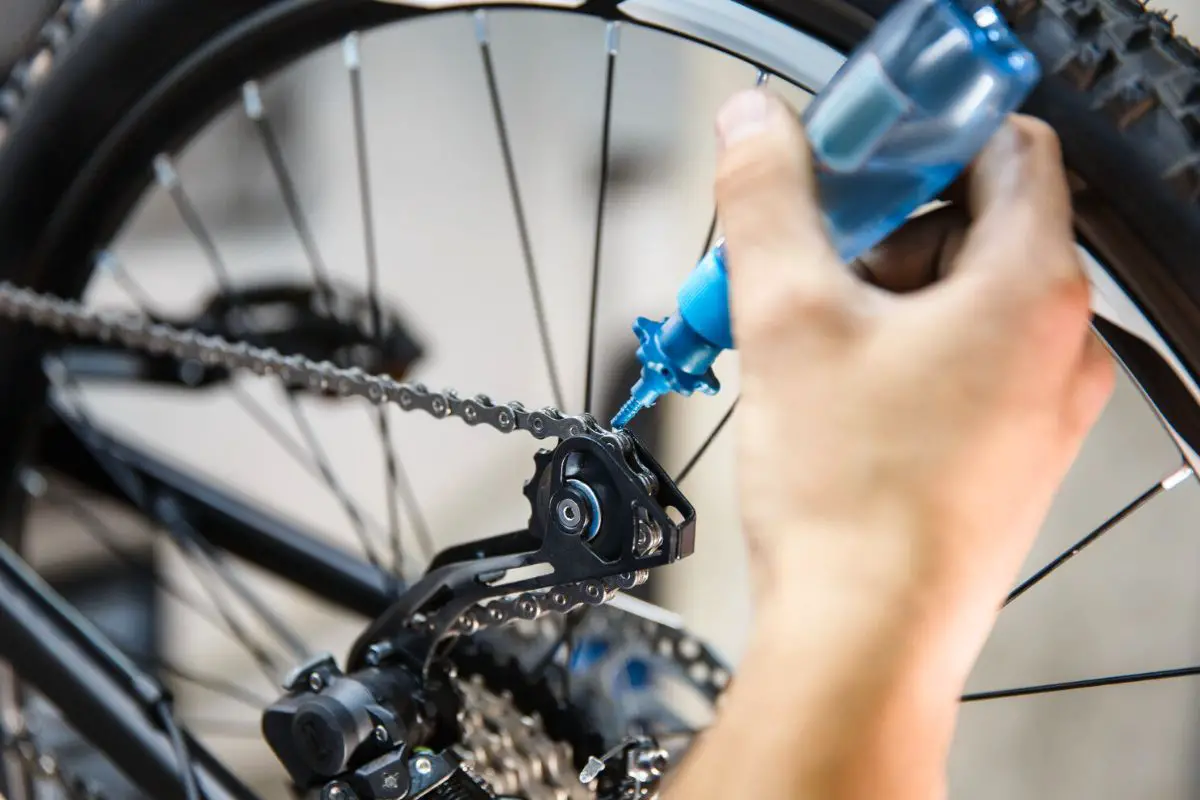
Rain washes lubricant off your chain instantly, leaving bare metal exposed to water and oxygen. The combination creates rust within hours if you don’t re-lube after wet rides. A rusted chain not only shifts poorly but wears your expensive cassette and chainring faster.
Post-Rain Chain Maintenance (5 Minutes)
Immediate Care After Wet Ride
- Wipe chain dry with old rag or towel
- Spin pedals backward several times to work water out of links
- Apply chain lube while spinning pedals backward (wet lube for rainy conditions, dry lube otherwise)
- Let sit 5-10 minutes, wipe off excess lube from outside of chain
Wet Lube vs Dry Lube
- Wet lube: Thicker, stickier, repels water better, attracts more dirt. Use for frequent rainy riding.
- Dry lube: Thinner, cleaner, washes off faster. Use for occasional rain, re-apply after every wet ride.
- Wax-based lubes: Cleanest option but require complete stripping and re-application after rain exposure.
Riders who commute daily in wet conditions often keep wet lube on the chain permanently and just wipe/re-apply weekly rather than switching between lube types.
Drivetrain Rust Happens Fast
Leave a wet chain untreated overnight and you’ll see surface rust by morning. Continue riding without lubrication and that surface rust turns into pitting that permanently damages the chain. At this point the chain needs replacement, and it’s probably already worn your cassette grooves.
| Time After Wet Ride | Chain Condition | Action Needed |
|---|---|---|
| 0-2 hours | Wet but no damage yet | Wipe dry, apply lube immediately |
| 4-12 hours | Surface rust starting to form | Scrub with brush, apply lube, rideable |
| 24+ hours | Rust coating visible, stiff links | Deep clean required, may need replacement |
| Multiple days | Heavy rust, pitting damage | Replace chain, check cassette wear |
6. Never Pressure Wash Your E-Bike (Seriously, Never)
This warning appears in every manual yet riders ignore it constantly because their bike looks muddy and the garage has a pressure washer. One session with a pressure washer forces water past every seal designed to keep moisture out during normal rain riding. The bike might work fine immediately after, then fail two days later when corrosion spreads.

Why Pressure Washing Destroys E-Bikes
Pressure vs Seals
- Garden hose pressure: 40-60 PSI (seals designed to handle this)
- Pressure washer: 1,500-3,000 PSI (seals fail instantly)
- Force multiplier: 25-75x more pressure than rain or normal washing
Even “low pressure” settings on pressure washers deliver 1,000+ PSI, still 15x stronger than seals can withstand. Water gets forced into motor housings, controller cases, battery compartments, and behind display screens.
Safe Cleaning Method
- Use garden hose on lowest setting or bucket of soapy water
- Soft brush or sponge for scrubbing frame and non-electrical parts
- Damp cloth for electrical components, battery, and display
- Avoid spraying water directly at connectors, charging port, or motor
- Dry thoroughly with towels, especially around electrical areas
Car Wash Disaster Stories
Forums are full of riders who took their e-bike through automatic car washes or coin-operated pressure wash bays. The bike looks spotless afterward, then won’t power on three days later when water that penetrated the controller finally shorts the electronics.
Actual Damage Examples
- Water forced into sealed motor bearing, motor seized after 50 miles
- Display screen filled with water fog, impossible to read
- Controller shorted out, bike showed error code 30 (communication failure)
- Battery BMS damaged, battery would only charge to 60% capacity
Warranty claims for pressure washer damage are universally denied by manufacturers. The damage is obvious to repair techs because water penetrates areas that normal rain never reaches.
7. Visibility Drops Harder Than You Expect
Riding in rain means cars can’t see you, and you can’t see obstacles, potholes, or debris until you’re right on top of them. E-bikes travel faster than regular bikes, giving you less reaction time when visibility is already compromised. Riders who commute at dusk or dawn face double visibility problems: low light plus rain.
Lighting That Actually Works in Rain
Minimum Lighting Setup
- Front light: Minimum 400 lumens, focused beam pattern (not flood)
- Rear light: Flashing red LED, minimum 50 lumens, mounted high on seat post
- Side visibility: Spoke reflectors or spoke lights catch car attention
- Pedal reflectors: Movement catches driver peripheral vision
Clothing Visibility
- Bright colored rain jacket (yellow, orange, lime green) visible in overcast conditions
- Reflective strips or vest over jacket, catches headlights at night
- Reflective pant leg bands prevent pants from catching in chain, add visibility
- Helmet with integrated rear light or reflective elements
Dark rain jackets look cool but make you nearly invisible in rain, especially at dusk. Bright colors feel dorky but keep you alive.
Wet Roads Change Everything
Brake distances increase 20-30% on wet pavement. Paint stripes, manhole covers, and metal plates become ice rinks. Leaves covering the road hide potholes and create slip hazards. These problems compound when you’re riding 20+ mph on e-bike assist.
Slow Down and Increase Following Distance
- Reduce speed by 25-30% compared to dry conditions
- Start braking earlier, use progressive braking (don’t grab hard)
- Avoid sudden turns, lean gradually into corners
- Watch for oil slicks (rainbow sheen on water) near intersections
- Give cars extra space, assume they don’t see you
8. Post-Ride Maintenance Prevents 90% of Rain Damage
Most water damage doesn’t happen during the ride. It happens in the hours and days after when moisture sits trapped inside components, causing corrosion and electrical shorts. Spending 10 minutes on post-ride care prevents hundreds in repair costs.
Complete Post-Rain Checklist
Immediate Actions (First 30 Minutes)
- Remove battery from bike, wipe exterior completely dry
- Open battery charging port, inspect for moisture, wipe dry
- Wipe down display, controller housing, and all visible connectors
- Check for water pooled in frame tubes or battery cavity, tip bike to drain
- Wipe chain dry, apply fresh lubricant while still slightly damp
Drying Process (1-2 Hours)
- Store bike indoors in dry location if possible (garage, apartment)
- Position near airflow but not direct heat (room temperature drying best)
- Prop battery separately to air out contact points
- Don’t attempt to charge until everything completely dry (minimum 30 minutes, preferably overnight)
Weekly Checks (If Riding in Rain Regularly)
- Inspect all connectors for corrosion, clean with contact cleaner if needed
- Check battery contacts for corrosion or discoloration
- Test brake function (hydraulic brakes can get water in lines)
- Inspect charging port seal, replace if damaged
- Check for rust on chain, cassette, chainring, replace if pitted
Storage Matters As Much As Riding
Leaving your e-bike outside in the rain for days or weeks guarantees water damage, even on bikes rated IP65 or higher. Seals are designed for temporary exposure during rides, not constant submersion in wet conditions.
Storage Options
- Indoor storage (best): Apartment, garage, shed with roof
- Covered outdoor (acceptable): Under porch roof, bike shelter, use waterproof cover
- Uncovered outdoor (risky): If unavoidable, remove battery and display, use high-quality waterproof cover, expect shortened component life
Budget bike covers from Amazon ($20-30) rip apart after a few months. Quality covers ($60-100) with taped seams and heavy fabric last years. If storing outside regularly, the expensive cover pays for itself by preventing one $300 controller replacement.
Rain Doesn’t Kill E-Bikes, Neglect Does
Thousands of riders in Amsterdam, Copenhagen, Seattle, and London commute daily on e-bikes through rain, sleet, and wet conditions without destroying their bikes. The difference isn’t expensive equipment or premium brands, it’s consistent post-ride care and knowing when conditions exceed your bike’s protection level.
Check your IP rating, protect charging ports obsessively, apply dielectric grease to connectors, and never pressure wash. Dry the bike thoroughly after wet rides, re-lube the chain, and don’t charge until everything’s dry. Follow these basics and rain becomes an inconvenience rather than a threat to your $1,500+ investment.
The riders who destroy e-bikes in rain are the same ones who pressure wash them, ignore corroded connectors, and charge wet batteries. Don’t be that rider.


