
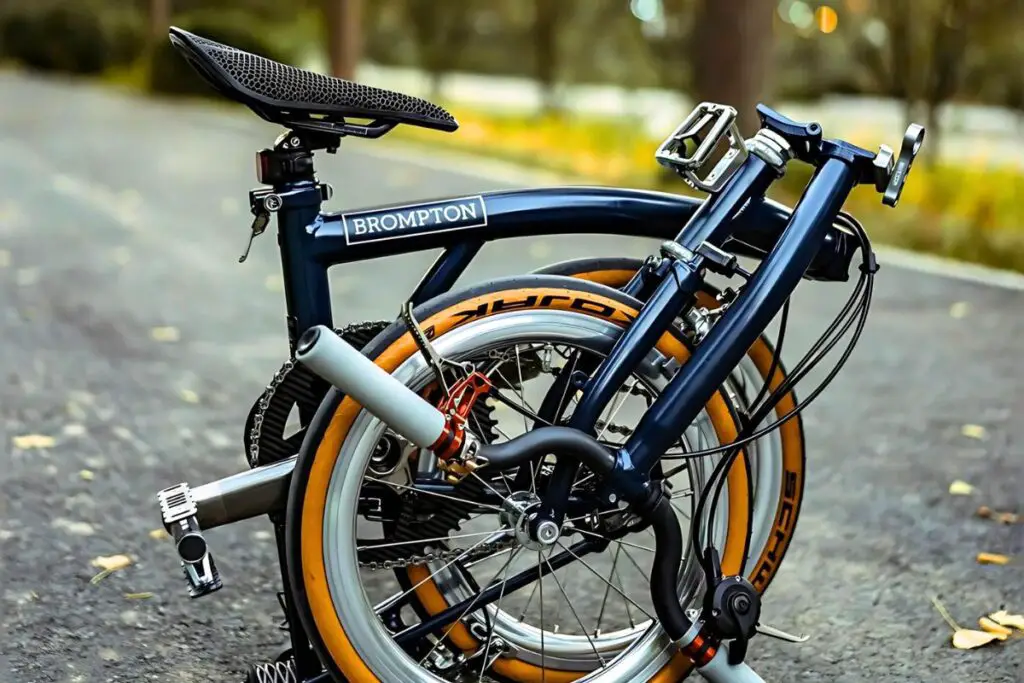
Fumbling with your Brompton fold while your train pulls away from the platform wastes time and looks embarrassing. The 20-second fold Brompton advertises isn’t marketing hype, but it only happens after you’ve practiced the sequence enough times that muscle memory takes over. Most first-timers need 60-90 seconds minimum, making mistakes that prevent the fold from locking properly or cause the handlebars to pop loose mid-carry. The difference between looking like a pro and wrestling with a half-folded bike comes down to sequence, not speed. Learn the correct order, avoid the common mistakes, and the time drops naturally.
What Makes Brompton Folding Actually Work
The Brompton uses a three-part folding system designed in 1975 that hasn’t fundamentally changed because it works. The rear triangle folds under, the main frame hinges at the center, and the handlebars drop down. Everything locks together using the seatpost as the primary securing mechanism, with hooks and clamps holding the geometry stable.
The fold keeps chain grease and dirt tucked inside the package, which matters when you’re carrying it through office lobbies or stacking it in a train luggage rack. Unlike other folding bikes that leave exposed drivetrain components, a properly folded Brompton won’t leave oil marks on your pants or office floor.
First-Timer Reality Your first fold will take 2-3 minutes and feel awkward. By fold number 10, you’ll be down to 30-40 seconds. By fold 50, the 20-second target becomes achievable. Most Brompton owners report hitting consistent sub-20-second folds after about two weeks of daily commuting.
Electric Model Considerations
Brompton Electric bikes add battery management to the folding process. The 300Wh battery mounts on the front carrier block and must be removed before folding. Some conversion kits use integrated batteries in the frame or seatpost, which changes the folding sequence slightly but follows the same basic principles.
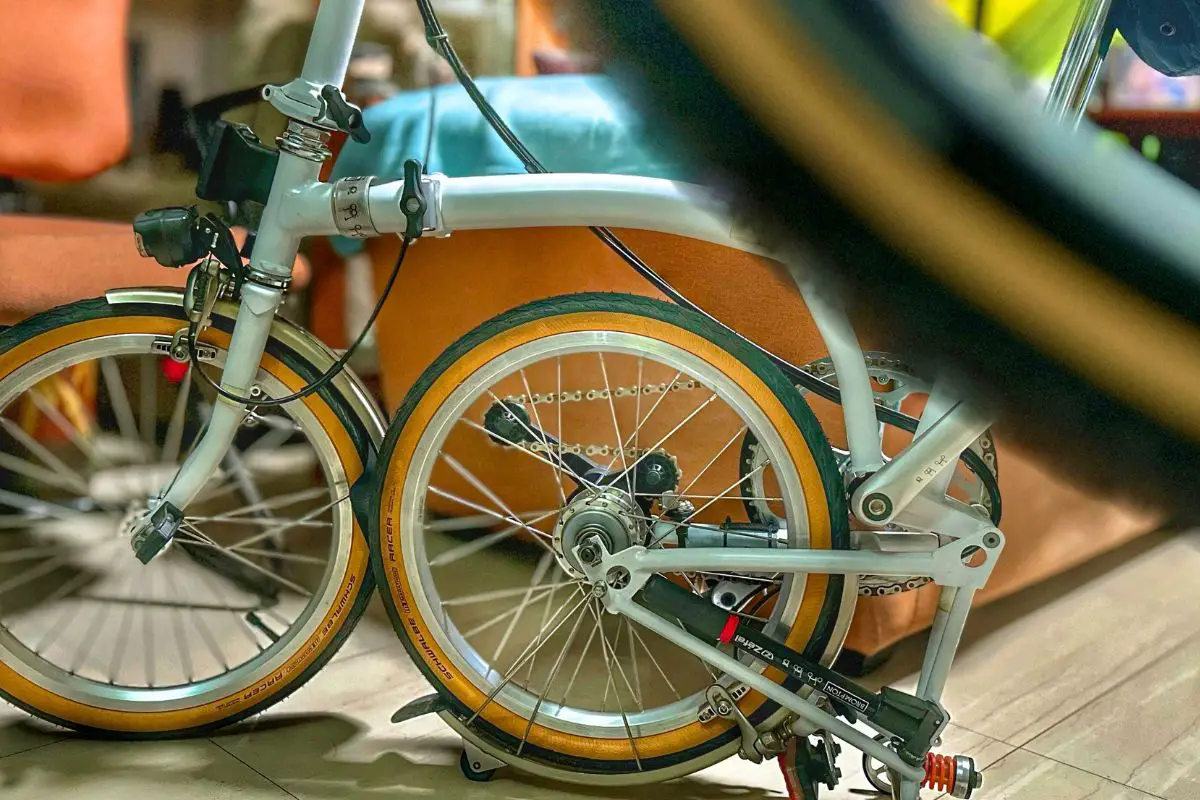
Unfolding: From Package to Ride-Ready
Unfolding feels more forgiving than folding because you’re building the structure rather than collapsing it. The sequence matters less on the unfold, but doing it right prevents the handlebars from popping loose or the rear wheel from refusing to lock.
Step 1: Position & Pedal
Setup
- Place the folded bike on flat ground, standing on its small roller wheels
- Stand on the left side (the side with the folding pedal)
- If you have an Electric model, keep the battery nearby but don’t attach it yet
Unfold Left Pedal
- Find the folding pedal with the toothed metal cage
- Pull the pedal cage toward you until it clicks into place
- The click means it’s locked, not just extended
Step 2: Main Frame Hinge
The Coordination Move
- Loosen the main frame hinge clamp by turning counterclockwise
- Right hand on saddle, left hand on handlebar stem near the hinge
- Look down at the chain area between the wheels
- You’ll see a black hook securing the front wheel to the frame tube
- Lift the handlebar stem with your left hand to raise the hook above the tube
- Swing your left arm away from you in an arc, pushing the front wheel forward
- The front wheel should align with the rear wheel as the hinge closes
- Tighten the hinge clamp firmly
Step 3: Handlebar Setup
Raising the Bars
- Find the handlebar hinge clamp near the front wheel
- Loosen by turning counterclockwise
- Raise handlebars to upright riding position
- Ensure they’re straight, not angled left or right
- Tighten clamp until finger-tight (don’t overtighten)
Step 4: Seatpost Extension
Height Setting
- Open the seatpost clamp lever
- Pull the seatpost up to your preferred riding height
- Align the saddle with the frame (not twisted)
- Close and tighten the clamp
- The extended seatpost acts as a lock, keeping everything together
Step 5: Rear Wheel Lock
The Final Move
- Grip the handlebar with your left hand
- Use your right hand to lift the bike by the saddle
- Swing the rear wheel backward until it clicks into riding position
- Press down gently on the saddle to ensure the suspension block fully engages
- You should hear a solid click, not a soft snap
Step 6: Battery Attachment (Electric Models)
Connection Process
- Align battery with the front mounting bracket
- Match the connection points carefully
- Slide battery down onto mount until it clicks
- Battery engages automatically when connected
- Check that the battery release button is flush, not protruding
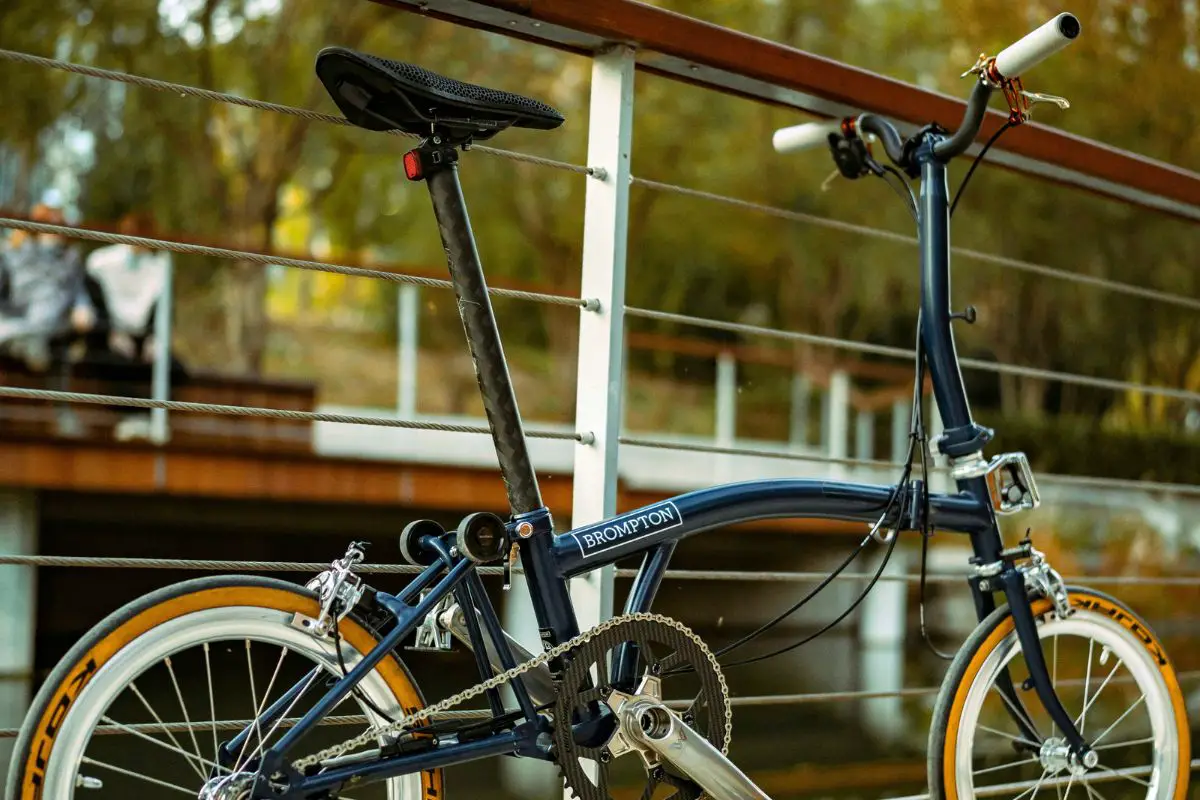
Folding: The Sequence That Actually Matters
This is where people mess up. The folding sequence must happen in the correct order or components interfere with each other, the fold won’t lock properly, or you’ll damage hinges by forcing parts that aren’t aligned.
Pre-Fold Setup
Critical Positioning
- Electric models: Remove battery first by pressing release button and lifting away
- Turn cranks until right pedal points down (6 o’clock position)
- Turn handlebars slightly left, not parallel with rear wheel
- Stand on the left side of the bike
Step 1: Seatpost Down
The Lock Mechanism
- Open seatpost clamp
- Push seatpost all the way down until it rests on rear frame
- Close and tighten the clamp
- The lowered seatpost locks the rear fold in place
Step 2: Handlebars Fold
Double Hinge Action
- Loosen main frame hinge clamp by turning counterclockwise (4-6 turns)
- Open handlebar hinge clamp completely
- Rotate handlebars down and toward the left side of front wheel
- Handlebars should rest neatly alongside the wheel
- Tighten handlebar clamp
Step 3: Main Frame Collapse
The Hook Engagement
- With main hinge still loose, swing front wheel backward toward rear wheel
- You’ll feel a locking hook engage as the frame folds
- Front wheel should be at a slight angle, not perfectly aligned
- Tighten the main frame hinge clamp securely
Step 4: Rear Wheel Tuck
The Final Collapse
- Locate the small black lever behind the seat clamp
- Push the lever forward to release rear wheel lock
- Lift the back of bike by the saddle in one swift motion
- Rear wheel swings underneath the frame automatically
- Lower the bike to ground, resting on the small roller wheels
Step 5: Fold Verification
Check Before Carrying
- All clamps should be closed and tight
- Bike should hold together when lifted by saddle
- Front wheel should be at slight angle, not twisted completely sideways
- Folded package should be compact, not loose or rattling
Rolling vs. Carrying: Kickstand Mode
Brompton’s “kickstand mode” lets you roll the folded bike like a shopping cart, but it confuses new owners because the setup isn’t intuitive. The bike needs to be partially unfolded to roll properly.
How to Roll a Folded Brompton
Correct Rolling Setup
- Fold the bike completely as described above
- Raise the seatpost slightly (not all the way up, just 2-3 inches)
- Raise handlebars to upright position
- Push using the handlebars, not the saddle
- The bike rolls on the two small rear roller wheels
Wheel Upgrade Options
| Roller Type | Pros | Cons |
|---|---|---|
| Stock single wheels | Compact, lightweight, included | Small, can seize over time, poor rolling |
| Eazy Wheels (double) | Larger diameter, smoother roll, more stable | Adds weight, costs $30-40 |
| Rear rack addition | Best stability, easiest rolling, cargo capacity | Heaviest option, costs $100+, changes bike profile |
Mistakes That Waste Your Time
These errors don’t just slow you down; they can damage components or leave you with a fold that pops open mid-carry.
Hinge & Clamp Issues
Over-tightening Clamps
- Brompton clamps only need finger-tight pressure, not gorilla strength
- Over-tightening strips threads and makes clamps hard to open quickly
- Finger-tight means you can close the clamp lever with just thumb and index finger
- If you need both hands or your whole palm, you’re overtightening
Dirty or Dry Hinges
- Hinges accumulate grit and lose their smooth action
- Clean hinges monthly with a damp cloth, no harsh solvents
- Apply a tiny drop of light oil (not WD-40) to hinge points quarterly
- Don’t oil excessively; you’ll attract more dirt
Hinge Paint Wear
- Contact points on hinges naturally scratch and lose paint
- This is normal wear, not a defect
- If cosmetic scratches bother you, use Brompton touch-up paint or clear nail polish
- Deep scratches exposing bare metal should be touched up to prevent rust
Tire Pressure Mistakes
The 90 PSI Minimum Rule
- Brompton’s 16-inch wheels need high pressure to roll efficiently
- 90 PSI minimum for standard rides, up to 100-110 PSI for long distance
- Under-inflated tires make the bike feel sluggish and harsh over bumps
- Check pressure weekly; small tires lose pressure faster than large ones
Sequence Errors
| Mistake | Result | Fix |
|---|---|---|
| Folding handlebars before loosening main hinge | Handlebars won’t fold smoothly, you’ll force them | Always loosen main hinge first |
| Not lowering seatpost all the way | Rear fold won’t lock, bike falls apart when carried | Push seatpost until it bottoms out |
| Forgetting to position right pedal down | Pedal hits frame during rear wheel fold | Set to 6 o’clock before folding |
| Rushing the rear wheel swing | Wheel hangs up mid-swing or doesn’t tuck cleanly | Use quick, confident lift motion |
Speed Training: Getting to 20 Seconds
The 20-second fold happens through muscle memory, not rushing. Your hands need to learn the motion patterns so your brain doesn’t have to think about each step.
Practice Schedule
Week 1: Focus on Correctness
- Fold and unfold 3-5 times per day
- Don’t time yourself yet
- Make sure every step happens in correct order
- Typical time: 60-90 seconds for fold, 45-60 seconds for unfold
Week 2: Build Flow
- Start linking steps together smoothly
- Eliminate pauses between steps
- Your hands should move continuously through the sequence
- Typical time: 35-45 seconds for fold, 30-40 seconds for unfold
Week 3-4: Speed Development
- Muscle memory kicks in; you stop thinking about steps
- Hands know where to go before your brain registers the command
- Start timing yourself
- Typical time: 20-30 seconds for fold, 15-25 seconds for unfold
Month 2+: Maintenance
- Consistent sub-20-second folds become normal
- You can fold in crowds without looking
- Fastest documented times: 10-12 seconds for experienced owners
- Record holders: under 5 seconds (Birdy folding bikes claim 4.9 seconds, Brompton doesn’t officially claim fastest fold)
What Prevents Sub-20-Second Folds
Mental Blocks
- Overthinking the sequence instead of letting muscle memory work
- Hesitating before the rear wheel lift
- Stopping to check if clamps are tight instead of feeling them
- Watching your hands instead of developing kinesthetic sense
Physical Obstacles
- Stuck or dirty hinges adding friction
- Over-tight clamps requiring two-handed operation
- Poor lighting making visual confirmation necessary
- Bags or accessories interfering with fold geometry
The Fold Becomes Second Nature
Your first Brompton fold feels like assembling furniture without instructions. By fold 50, your hands know the sequence without conscious thought. The difference between struggling and looking smooth comes down to correct sequence, not speed.
Practice the order until it’s automatic: seatpost down, handlebars folded, main frame hinged, rear wheel tucked. Everything else is just repetition. The 20-second fold isn’t about rushing; it’s about eliminating wasted motion and hesitation. Your commute starts the moment you unfold, and ends the moment you fold. Get good at both and the Brompton becomes the most practical bike you’ll ever own.
The fold that seems complex on day one becomes invisible on day thirty. Trust the process, practice the sequence, and let muscle memory do the work.


